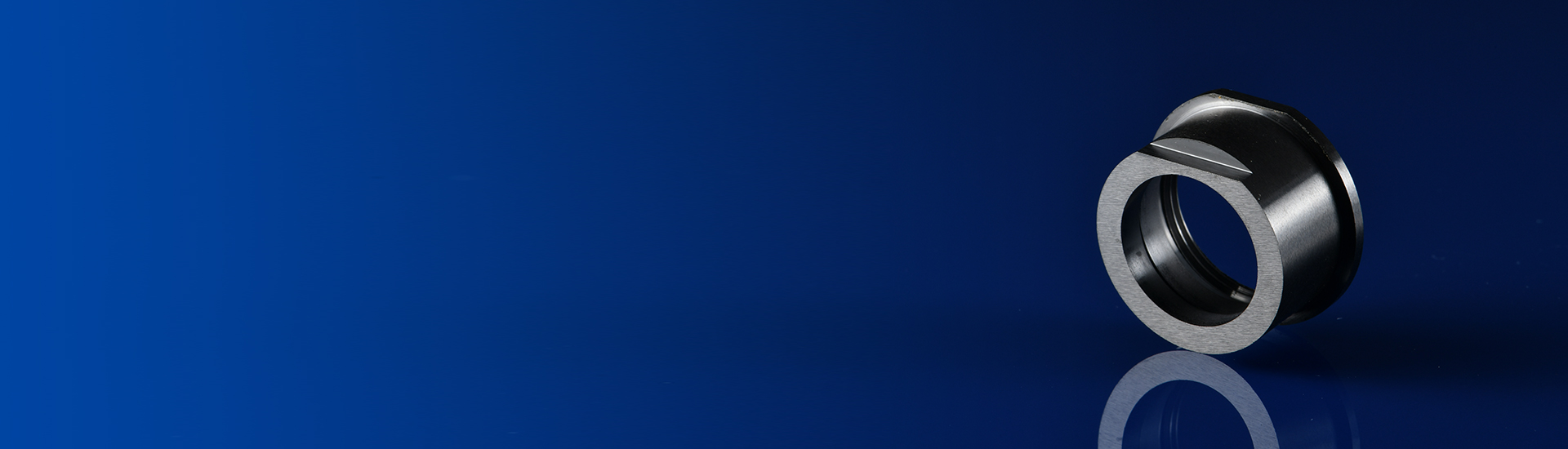
boron-carbide-ceramics
Ultra-High HardnessLow Density

Boron Carbide Ceramics

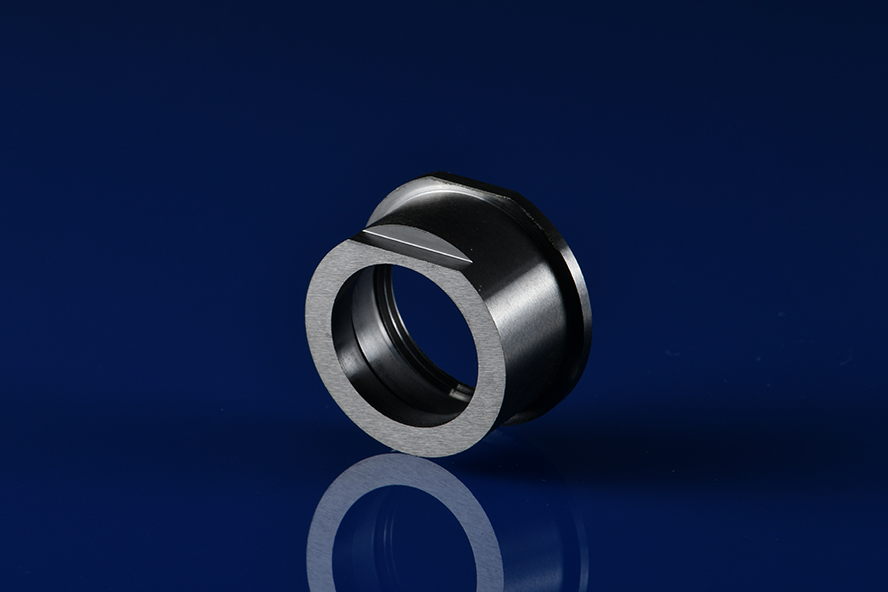
Boron carbide ceramic, also known as black diamond, is widely used in military applications. Its lightweight nature makes it lighter than alumina and silicon carbide, while its excellent neutron absorption capability and high neutron cross-section make it a critical material for nuclear applications.

Machining Capability

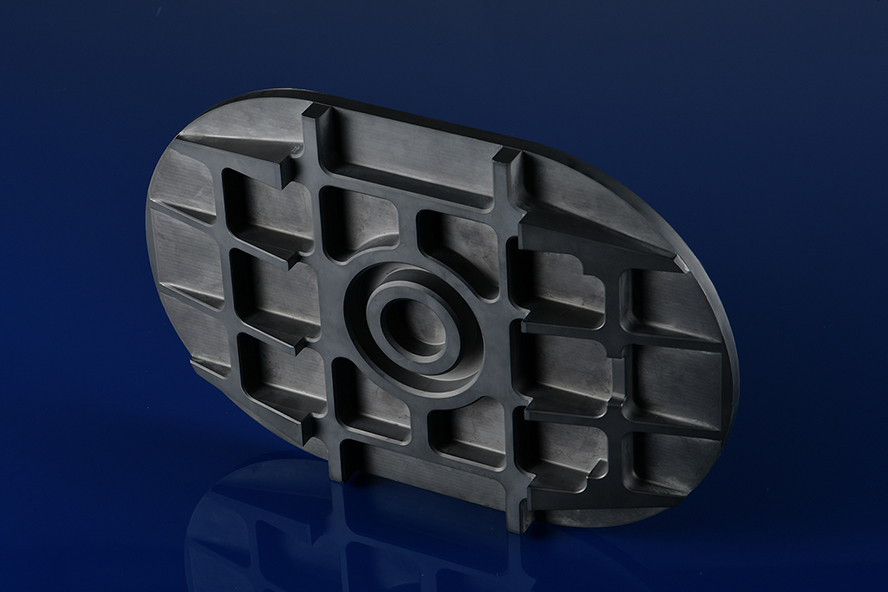
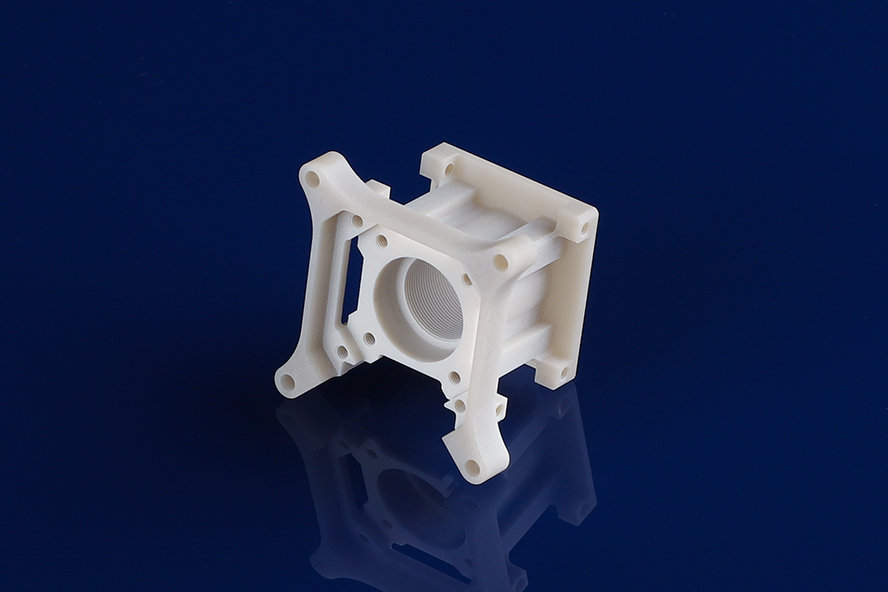
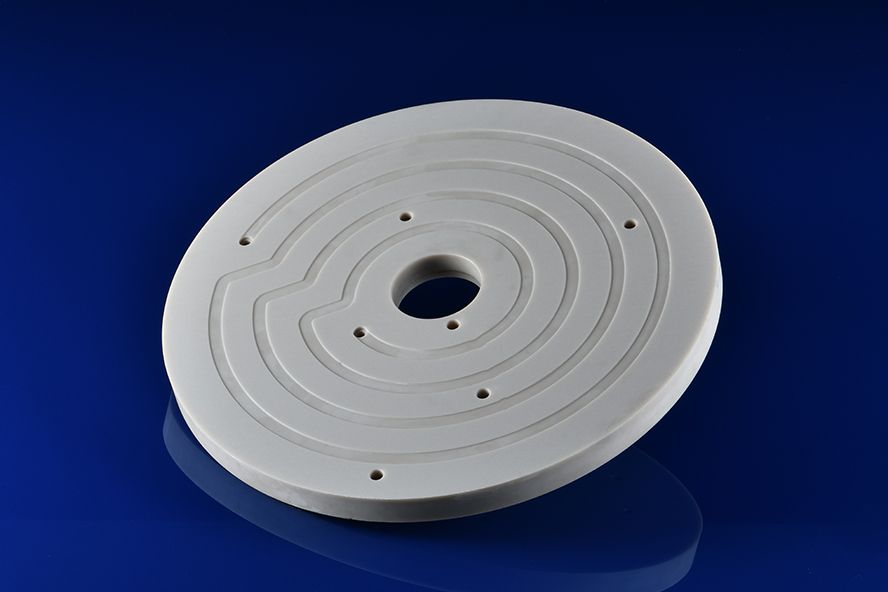
We specialize in precision machining of boron nitride (BN) components, delivering exceptional dimensional accuracy and ultra-smooth surface finishes. With our advanced multi-axis CNC equipment and years of expertise in technical ceramics, we produce parts that offer outstanding thermal stability, high electrical insulation, and excellent machinability — even under extreme conditions.Whether for semiconductor, vacuum, aerospace, or high-temperature industrial applications, our BN components ensure reliable performance and long service life.

Boron-Carbide-Ceramic-Machining
Tolerance ±1um
Flatness 2um(Φ300)
Roughness Ra0.01μm
Micropores 1mm
Parallelism 1um
Max. Size 300*300mm

Advantages

  • Ultra-High Hardness
  • Low Density
  • Excellent Wear Resistance
  • High Chemical Stability
  • Thermal Stability
  • Neutron Absorption Ability

Properties

The following table lists the key performance parameters of our Boron carbide ceramic material.This value is for reference only and may vary slightly depending on the batch conditions.

Mechanical Properties Unit Boron Carbide
Density g/cm³ 2.5
Hardness kg/mm² 3200
Flexural Strength MPa 410
Compressive Strength MPa 2500
Elastic Modulus GPa 470
Fracture Toughness MPa·m¹⁄² 2.5
Poisson’s Ratio 0.16
Young’s Modulus GPa 460
Thermal Properties Unit Boron Carbide
Thermal Conductivity W/m·K 42
Melting Point °C 2450
Specific Heat J/g·K 0.9
Coefficient of Thermal Expansion ×10⁻⁶/K 4
Electrical Properties Unit Boron Carbide
Dielectric Constant 1 MHz 7
Dielectric Strength V/cm 1 × 10⁶
Dielectric Loss 1 MHz 0.001
Volume Resistivity Ω·cm 10⁴

Interested in Our B₄C Ceramic Solutions?

Aluminum nitride ceramic applications

Applications

  • Wafer handling components, heater bases, insulators
  • Bearings, turbine components, structural parts
  • Engine components, turbocharger rotors, glow plugs
  • Cutting tools, pump seals, precision bearings
  • Surgical tools and high-temperature components

Learn how to use five-axis machining to create complex shapes

FAQS

What industries use Boron Carbide parts?

Defense, nuclear, wear-resistant, and high-temperature applications.

What is the advantage of machining green Boron Carbide?

It enables complex geometries, faster processing, and lower cost before sintering.

Do you offer custom Boron Carbide machining?

Yes. We provide full custom manufacturing services, including:Machining based on 2D drawings or 3D CAD files,Design-for-manufacturing (DFM) optimization,Prototyping to volume production,Complex geometries (micro-holes, slots, precision surfaces)
We support industries such as semiconductor, defense, nuclear, and advanced research.

When should you choose Boron Carbide instead of Silicon Carbide?

If your application requires lightweight design, corrosion resistance, and neutron absorption capabilities, boron carbide is the best choice.

What are the minimum feature sizes you can achieve when machining Boron Carbide (B₄C)?

We can machine Boron Carbide components with the following minimum feature sizes: 1.0 mm wall thickness, Ø1.0 mm holes, 2.0 mm slot width, and internal threads from M3.These capabilities are based on our standard precision machining processes and ensure stable quality and reliable production. For designs close to these limits or more complex geometries, we recommend sending your drawings for evaluation.

Macor is a machinable glass-ceramic made from fluorophlogopite mica crystals embedded in a borosilicate glass matrix. This composition gives it a rare
combination of metal-like machinability, excellent electrical insulation, low thermal conductivity, and stability up to 1000°C (no load) while maintaining very tight tolerances.