
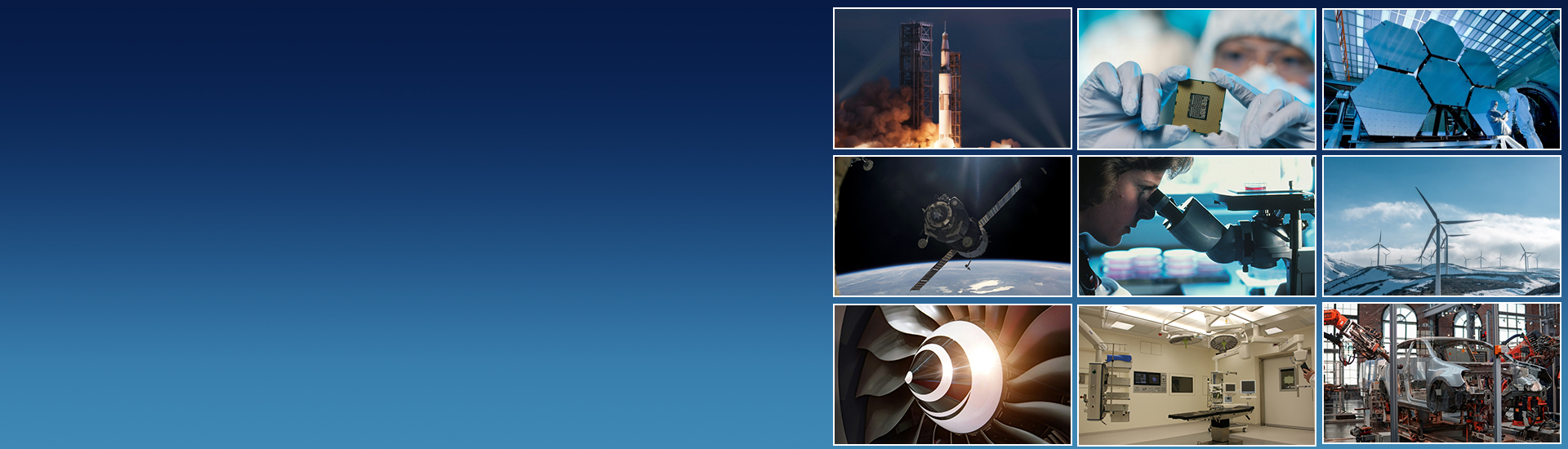
AeroespacialMédicoSemiconductores
Aplicación
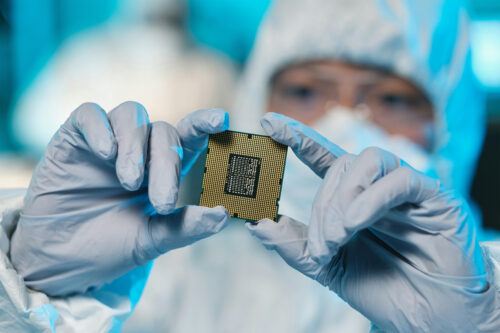
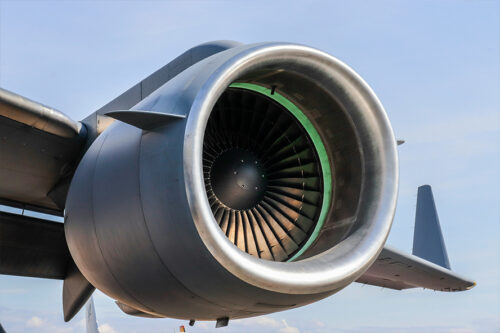
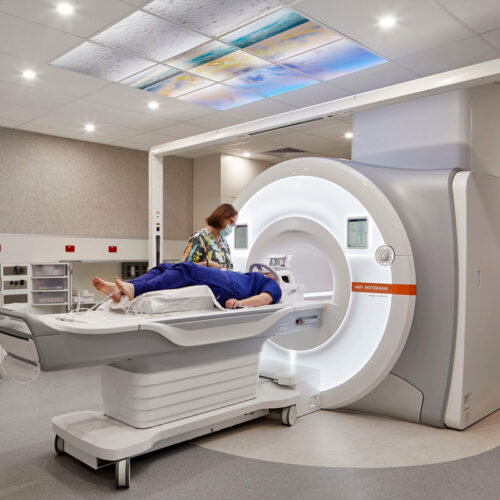
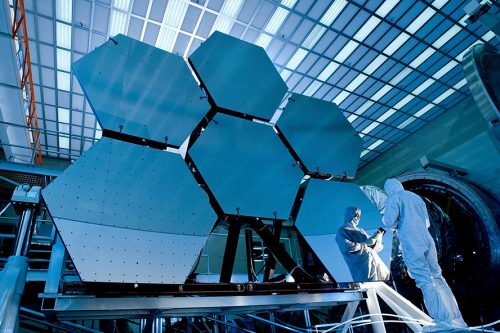
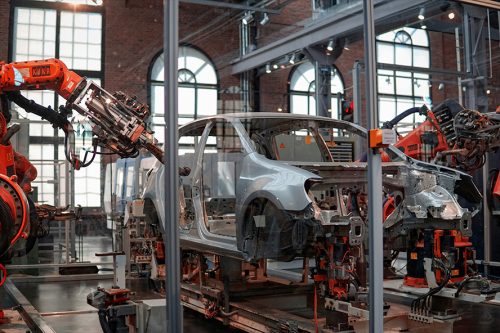
Los materiales cerámicos avanzados se utilizan comúnmente en industrias como semiconductores, electrónica, aeroespacial, dispositivos médicos e ingeniería de precisión.
Los materiales cerámicos avanzados se utilizan comúnmente en industrias como semiconductores, electrónica, aeroespacial, dispositivos médicos e ingeniería de precisión.
Las cerámicas avanzadas están diseñadas para aplicaciones de alto rendimiento que requieren control dimensional preciso, estabilidad térmica, aislamiento eléctrico y resistencia al desgaste y la corrosión. Se utilizan ampliamente en entornos donde los materiales convencionales no logran ofrecer un rendimiento fiable.
Ofrecemos una selección completa de materiales cerámicos técnicos avanzados, combinados con capacidades de mecanizado de precisión, para garantizar la solución de material óptima para los requisitos específicos de su aplicación.
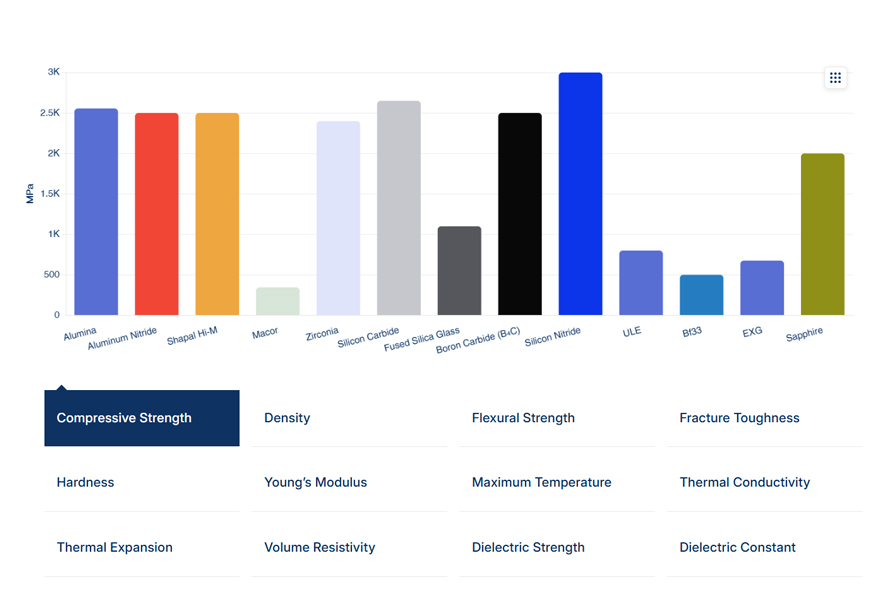
¿No está seguro de qué material cerámico es el adecuado para su aplicación? Obtenga más información sobre cerámicas técnicas, consulte nuestra tabla comparativa de materiales cerámicos o contáctenos y estaremos encantados de ayudarle.
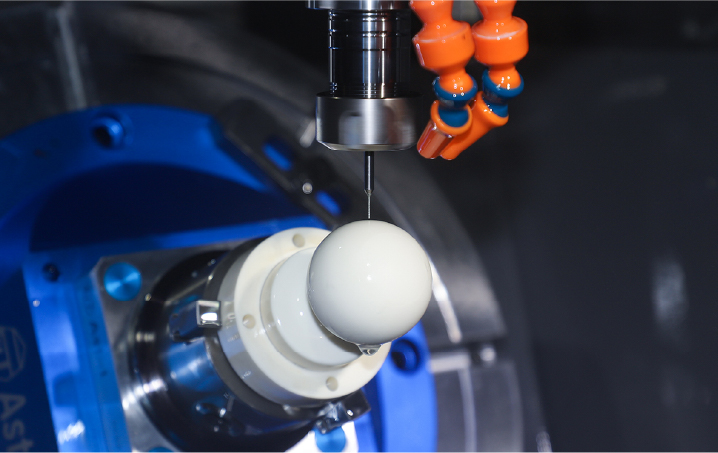
Desde alto vacío hasta temperaturas extremas, ofrecemos soluciones de mecanizado cerámico personalizadas con tolerancias precisas y rendimiento fiable.
Sí. Utilizamos materiales cerámicos de alta pureza adecuados para aplicaciones semiconductoras. La selección de materiales y el procesamiento se controlan cuidadosamente para minimizar la contaminación y garantizar un rendimiento confiable en entornos exigentes.
La biocompatibilidad se garantiza mediante una cuidadosa selección de materiales y estrictos procesos de control de calidad. Trabajamos con materiales como alúmina y circona, conocidos por su excelente estabilidad química y compatibilidad en entornos biológicos. Nuestros procesos de fabricación se controlan de acuerdo con sistemas de calidad como ISO 13485 para garantizar consistencia, trazabilidad e idoneidad para aplicaciones médicas.
La resistencia al choque térmico depende de una combinación de propiedades como conductividad térmica, coeficiente de expansión térmica y resistencia mecánica. Entre las cerámicas avanzadas comunes, materiales como el nitruro de silicio y el nitruro de aluminio ofrecen una excelente resistencia al choque térmico debido a sus propiedades térmicas favorables. Macor también proporciona una buena resistencia al choque térmico para aplicaciones que requieren maquinabilidad y cambios de temperatura moderados. El material más adecuado depende de los gradientes de temperatura específicos y las condiciones de aplicación.
Macor es una vitrocerámica maquinable hecha de cristales de mica de fluoroflogopita incrustados en una matriz de vidrio borosilicato. Esta composición le otorga una rara
combinación de maquinabilidad similar al metal, excelente aislamiento eléctrico, baja conductividad térmica y estabilidad hasta 1000°C (sin carga) mientras mantiene tolerancias muy ajustadas.

Chinese (Simplified)

Inglés
Alemán

Japonés

Español
Floors 1-2, Building 3, Qianyuan Industrial Park, No. 2 Gaoxin 2nd Road, Dalang Town, Dongguan, Guangdong, China(523770)