

NewsQuality & Process
Mechanical seal ceramics are one of the most widely used applications of ceramic materials. In many industrial applications, they improve the efficiency and service life of sealing systems. In the following, we will analyze the properties of different ceramic materials to help you select the most suitable option.
In sealing systems, ceramic components are commonly used to prevent leakage between rotating and stationary parts. Typical applications include aerospace engine seals, medical pump components, and sealing systems in centrifuges. Thanks to their excellent material properties, advanced ceramics provide outstanding stability and durability even in harsh operating environments.
Aluminum Oxide (Al2O3): Known for its hardness, corrosion resistance, and thermal stability, Widely used in sealing components in industrial environments such as medical and petroleum industries.
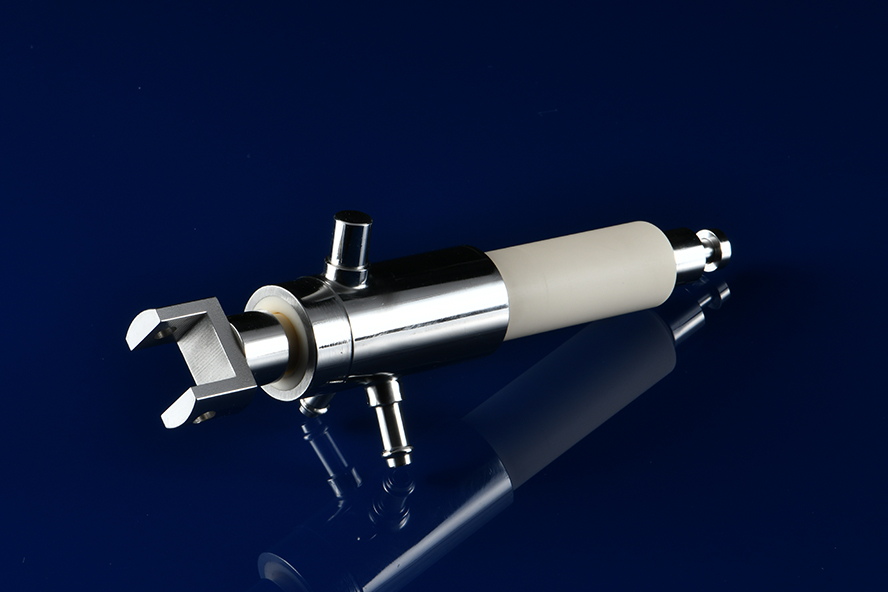
Silicon carbide (SiC) has become a popular choice for industrial seals due to its high thermal conductivity, low coefficient of thermal expansion, and excellent wear and corrosion resistance.
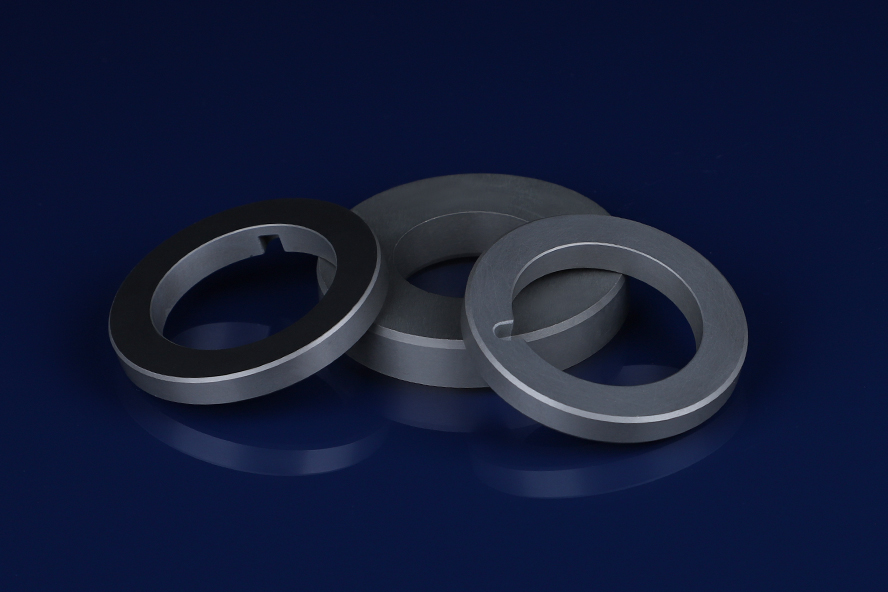
Zirconia (ZrO2): The ceramic with the highest fracture toughness, high strength, and thermal shock resistance. It is highly suitable for sealing needs in industries such as medical and petrochemicals.
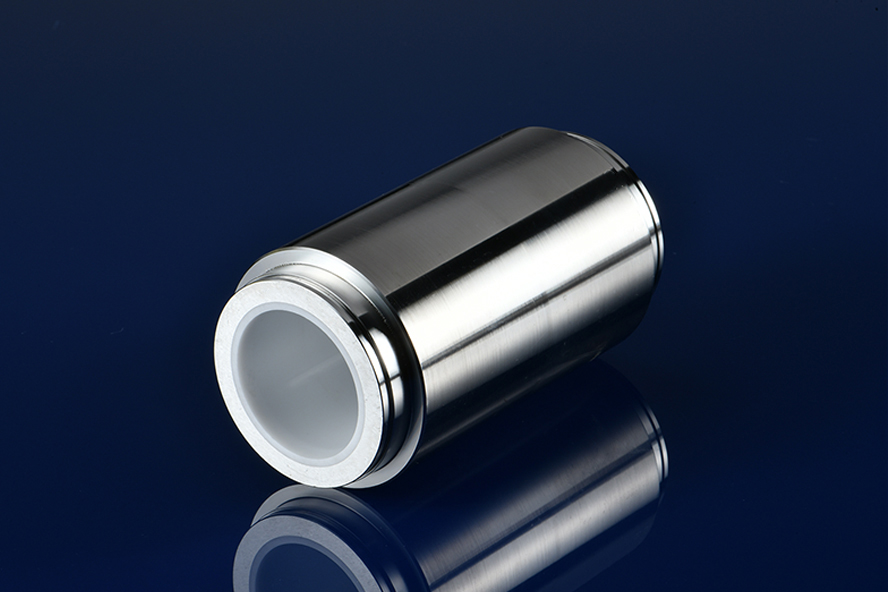
One of the main advantages of using ceramic materials in mechanical seals is their extremely high hardness and wear resistance, which significantly extends service life compared to traditional metal materials.
Ceramic materials offer excellent resistance to chemical attack, making them suitable for use in aggressive environments such as acids, alkalis, and solvents.
Ceramics maintain their structural integrity at high temperatures, making them ideal for applications involving extreme heat or thermal cycling.
The low thermal expansion of ceramics reduces the risk of thermal cracking and ensures high dimensional stability during operation.
Compared to metals, ceramics are lighter, which helps reduce system weight and improve overall energy efficiency.
Mechanical seal ceramics are widely used across industries including petrochemical, pharmaceutical, food processing, water treatment, aerospace, automotive, chemical, energy, and medical equipment.
They are commonly applied in bearings, sealing rings, sliding rings, pumps, compressors, and precision sealing systems, where they help improve service life, reduce maintenance, and ensure reliable performance in harsh environments.
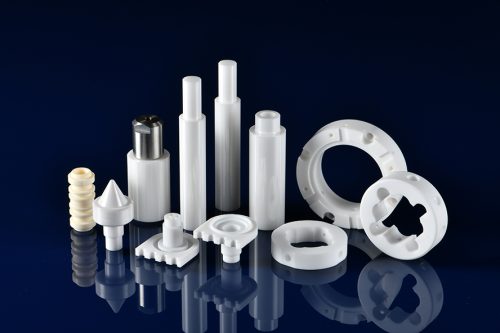
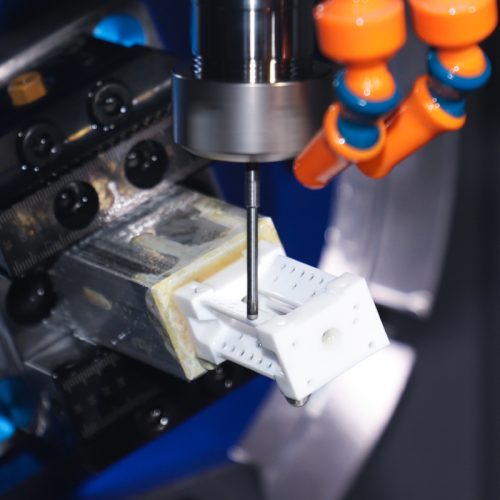
Ceramic sealing components can enhance equipment performance and reduce the risk of leakage. Their excellent durability minimizes replacement frequency, helping to reduce waste and environmental impact. In addition, they can be customized for specific industries, including complex geometries and specialized sealing designs.

Chinese (Simplified)

English

German

Japanese

Spanish
Floors 1-2, Building 3, Qianyuan Industrial Park, No. 2 Gaoxin 2nd Road, Dalang Town, Dongguan, Guangdong, China(523770)