
OpticsTransparentLow CTE
Glass Materials
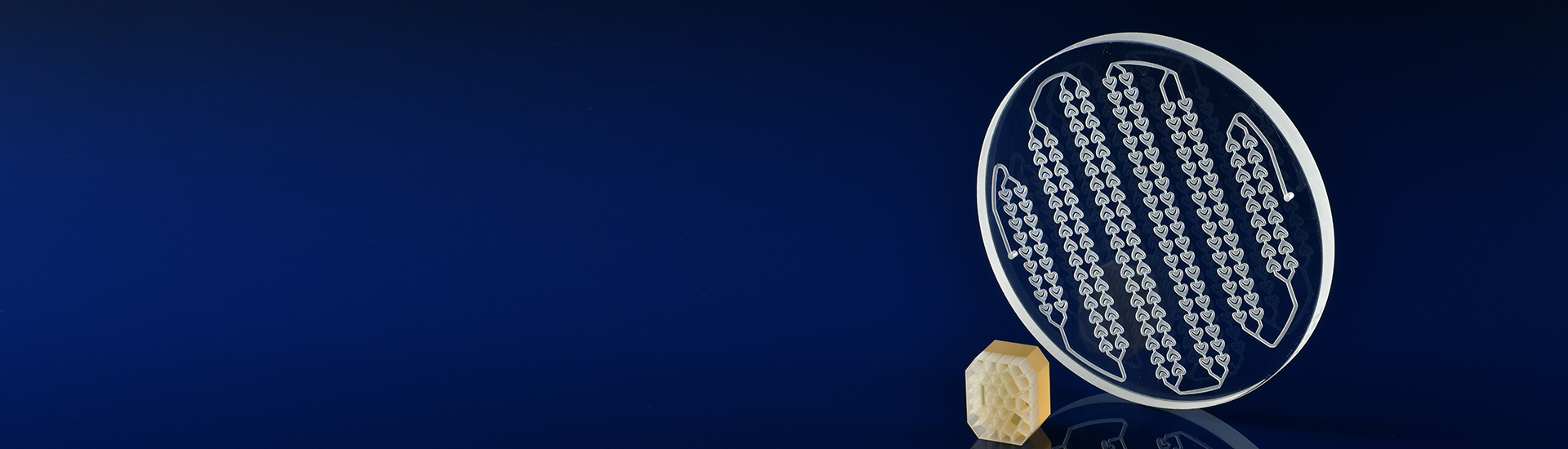
Precision glass and glass-ceramic materials including Zerodur, ULE, fused quartz, and sapphire for high-stability and optical applications, with precision machining support.
Precision glass and glass-ceramic materials including Zerodur, ULE, fused quartz, and sapphire for high-stability and optical applications, with precision machining support.
Glass and glass-ceramic materials are widely used in applications where dimensional stability, optical performance, and thermal resistance are critical. Materials such as Zerodur, ULE, fused quartz, and sapphire are commonly selected for precision systems operating under demanding conditions.
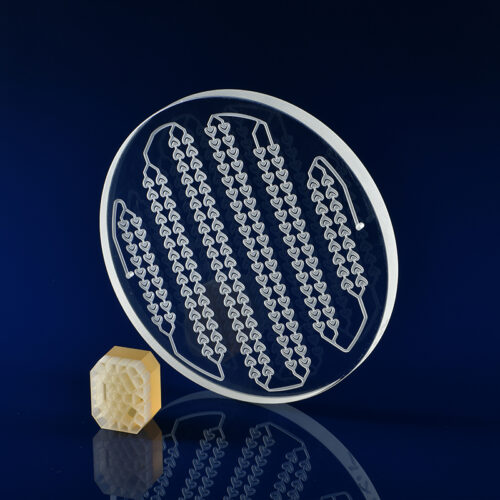
In many cases, the challenge is not only material selection, but also the ability to machine these materials into high-precision components.We offer machining services for a wide range of engineering glass materials, focusing on producing parts that meet stringent tolerances and specific application requirements.


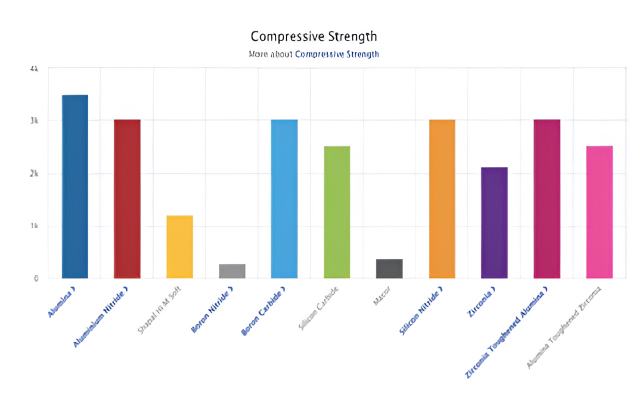
Not sure which ceramic material is right for your application? Learn more about technical ceramics, check out our ceramic materials comparison chart, or contact us and we’ll be more than happy to help out.
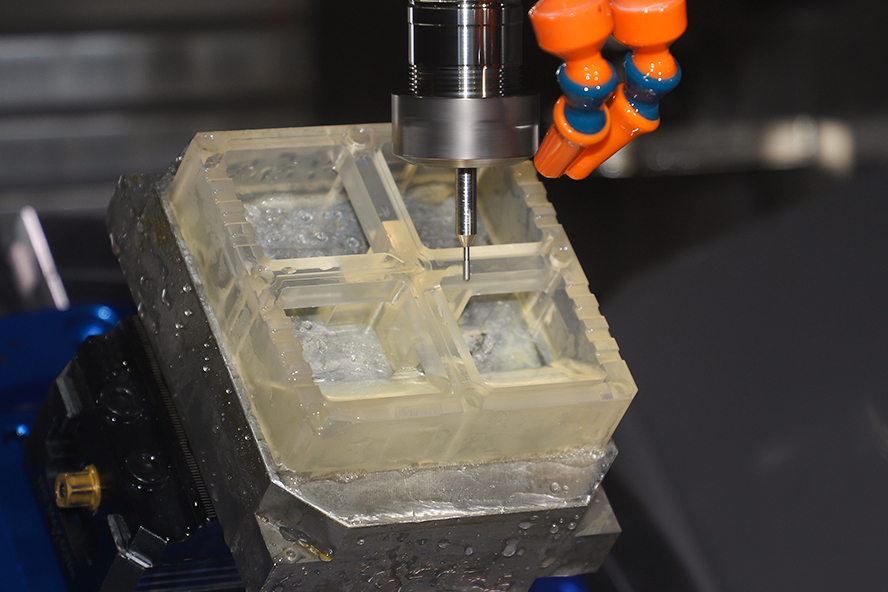
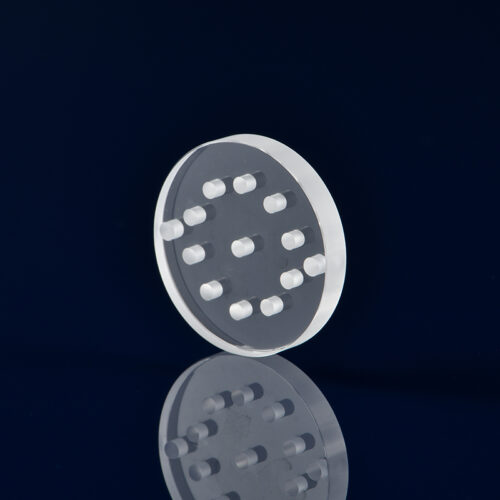
We work with precision glass materials including Zerodur, ULE, quartz, and sapphire, supporting the machining of high-precision components for demanding applications.
Macor is a machinable glass-ceramic made from fluorophlogopite mica crystals embedded in a borosilicate glass matrix. This composition gives it a rare
combination of metal-like machinability, excellent electrical insulation, low thermal conductivity, and stability up to 1000°C (no load) while maintaining very tight tolerances.

English

German
Japanese

Spanish
Industrial Zone,
City, Country