High Fracture ToughnessBiocompatibilit

Zirconia Ceramic

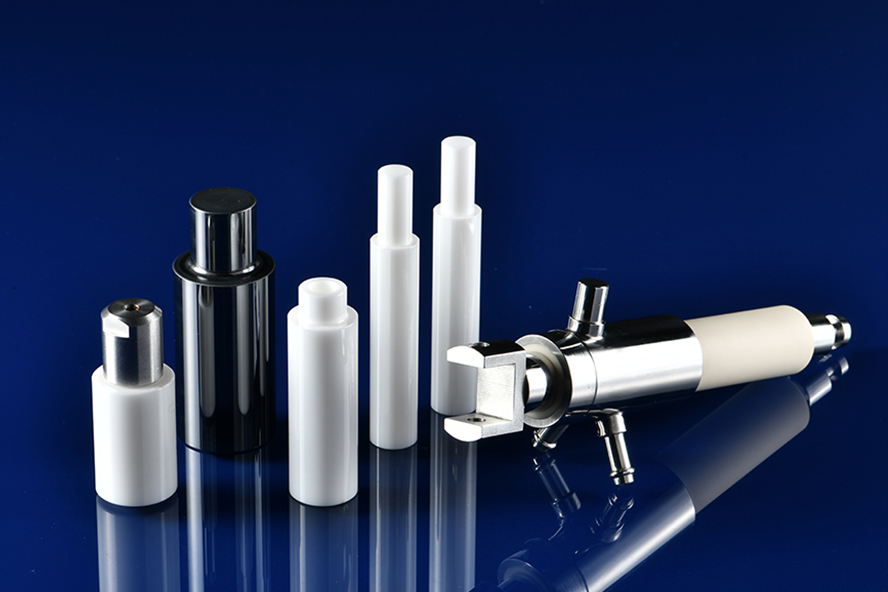
As one of the representative materials of advanced ceramics, zirconium oxide is divided into yttria stabilized zirconia and magnetium stabilized zirconia. Both grades have excellent performance.

Machining Capability

Whether your application requires high-precision structural parts, wear-resistant components, or complex ceramic geometries, our engineering team works closely with you to develop a solution tailored to your requirements.From concept to finished component, your zirconia project is handled with the same focus on precision, reliability, and manufacturing excellence

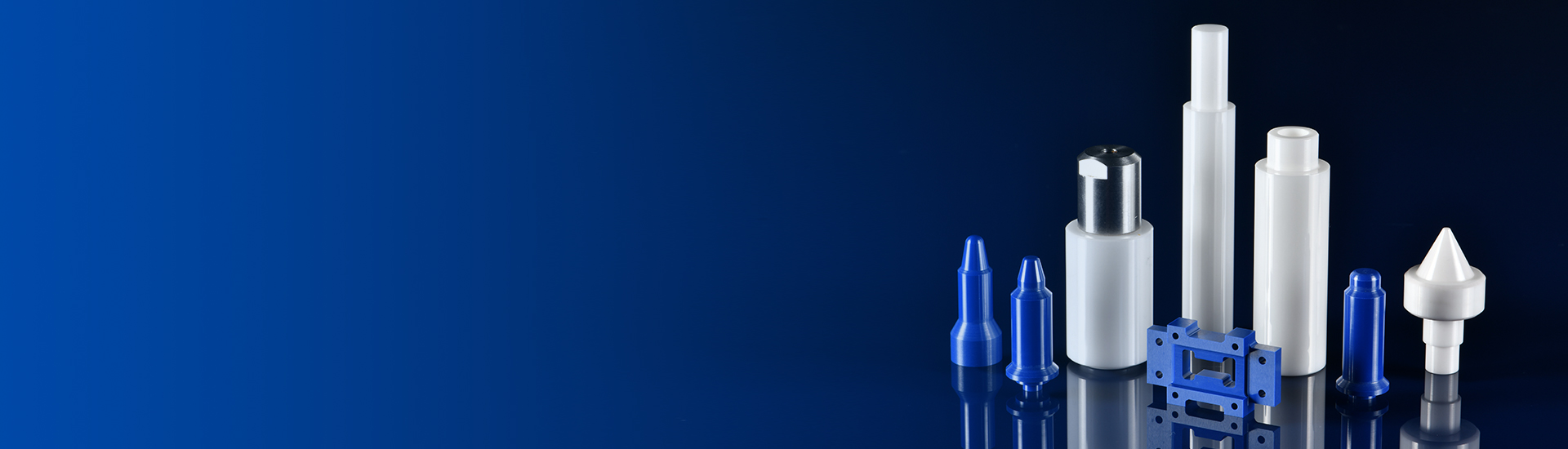
Zirconia ceramic parts
Tolerance ±1um
Concentricity 5 µm (Φ300)
Cylindricity 1 µm (Φ300)
Roughness Ra0.01μm
Parallelism 1um
Max. Size 400*800mm

Advantages

  • Mohs hardness is 8.5
  • Possessing ultra-high fracture toughness
  • Excellent wear resistance
  • Resistant to chemicals
  • Able to withstand high temperature environments
  • With low thermal conductivity
  • Melting point up to 2715°C

Properties

Below is a table of performance parameters for yttrium-stabilized zirconia ceramics. These values are for reference only and may vary slightly depending on batch conditions.

Mechanical Properties Unit Zirconia
Density g/cm³ 6.02
Vickers Hardness GPa 13
Bending Strength MPa 900
Compressive Strength MPa 2400
Elastic Modulus GPa 210
Toughness MPa·m1/2 7
Poisson's Ratio 0.31
Young’s Modulus GPa 200
Thermal Properties Unit Zirconia
Thermal Conductivity W/mK 3
Melting Point °C 2700
Maximum Operating °C 1000
Linear Expansion 10⁻⁶/K 10
Electrical Properties Unit Zirconia
Dielectric Constant (1 MHz) 30
Breakdown Voltage V/cm 1000
Dielectric Loss (1 MHz) < 0.001
Resistivity Ω·cm > 10¹²

Interested in Our Zirconia Ceramic Solutions?

Zirconia-ceramics-applications

Applications

  • Bearings and plungers
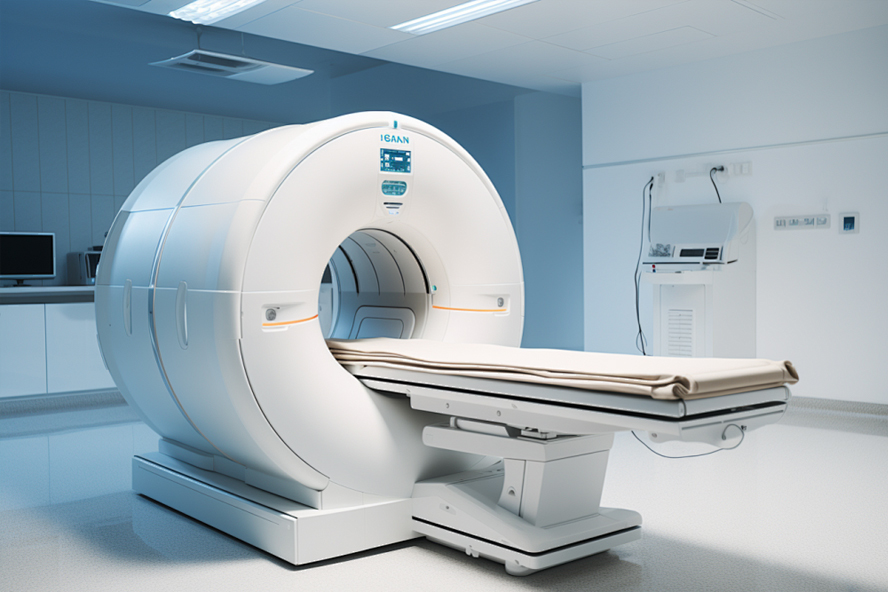
  • Medical implants
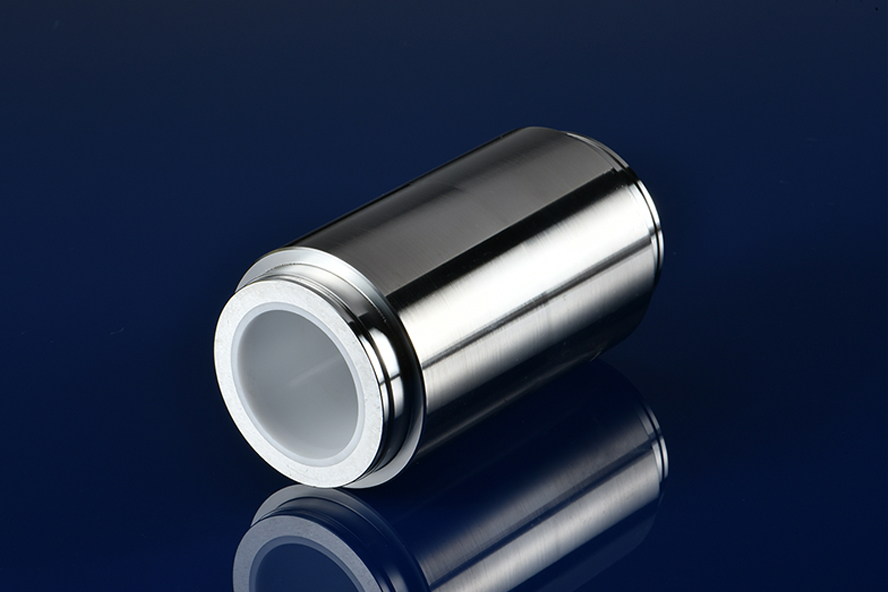
  • Petrochemical pump sleeves and liners
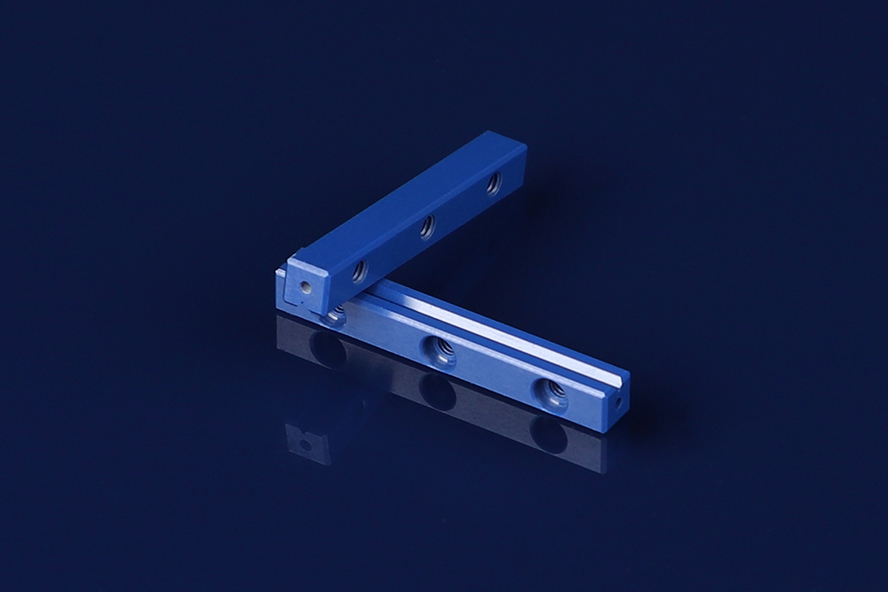
  • Optical communication fiber optic V-grooves
  • Electric vacuum devices
  • Oxygen sensors
  • Spacecraft structural parts
  • Engine components

Cases

Zirconia vs. Macor: Impact Resistance Comparison

FAQS

What is the difference between yttria-stabilized zirconia and magnesia-stabilized zirconia?

From our machining and application experience, the core difference lies in phase stability and performance characteristics. Yttria-stabilized zirconia (YSZ) offers higher strength, better fracture toughness, and more consistent mechanical performance, which is why it is more widely used in precision and structural applications. It is typically white, with blue and black variants also available.Magnesia-stabilized zirconia (MSZ), on the other hand, is usually yellow in color and comes at a higher material cost. Its key advantage is better stability in high-temperature environments, especially resistance to phase transformation under prolonged thermal exposure. This makes MSZ more suitable for certain thermal or refractory applications where long-term stability at elevated temperatures is critical, even though its overall mechanical performance is generally lower than YSZ.Therefore, the final choice should be based on your application needs.

How should I choose between zirconia and Macor?
Vbi curarum abiectis ponderibus aliis tamquam nodum et codicem difficillimum Caesarem convellere nisu valido cogitabat, eique deliberanti cum proximis clandestinis conloquiis et nocturnis qua vi, quibusve commentis id fieret, antequam effundendis rebus pertinacius incumberet confidentia, acciri mollioribus scriptis per simulationem tractatus publici nimis urgentis eundem placuerat Gallum, ut auxilio destitutus sine ullo interiret obstaculo.
Do different colors of zirconia (black, blue, white) have performance differences?
Color differences have little effect on mechanical properties. White is the most common and widely used color, while blue and black are typically chosen for specific applications.
Is zirconia ceramic a thermal insulation material or a thermally conductive material?
Zirconia is an excellent thermal insulation material; its extremely low thermal conductivity makes it ideal for structural components requiring high-temperature insulation.
Do you support custom machining of zirconia ceramics?
Yes, we are a professional zirconia ceramic manufacturer. You can contact our experts and provide the corresponding drawings and requirements for custom machining solutions.

Macor is a machinable glass-ceramic made from fluorophlogopite mica crystals embedded in a borosilicate glass matrix. This composition gives it a rare
combination of metal-like machinability, excellent electrical insulation, low thermal conductivity, and stability up to 1000°C (no load) while maintaining very tight tolerances.