Machinable-ceramics
IndustryInsulationEasy Machining

Machinable Ceramics

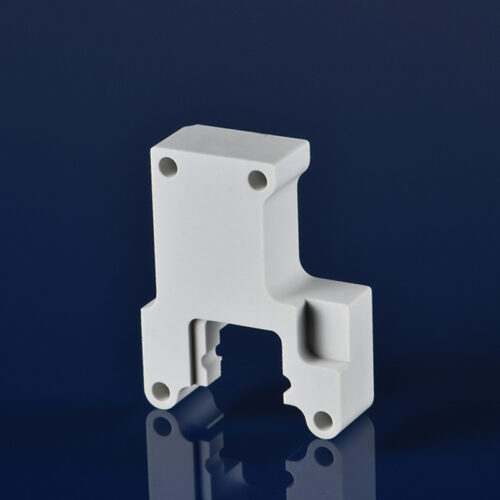
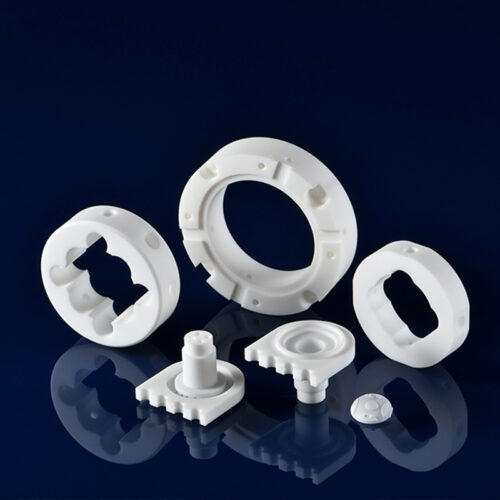
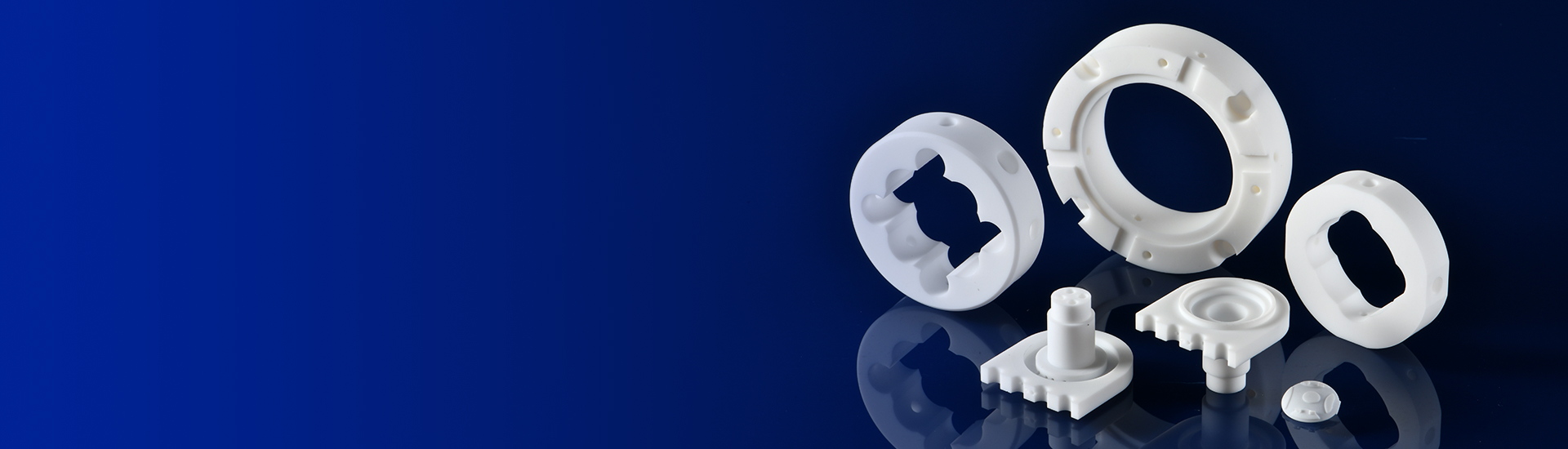
Machinable ceramics such as Macor and Shapal are designed to be easily machined into complex shapes without the need for post-sintering, making them ideal for prototypes and small-batch production.

Overview

Machinable ceramics are designed to combine the performance of advanced ceramics with the ability to be processed using conventional machining methods. Compared to traditional ceramics, they can be machined into complex shapes without the need for post-sintering, making them especially suitable for prototypes and small-batch production.

Materials such as Macor and Shapal offer a practical solution where both material performance and machining flexibility are required. In many applications, the key challenge is not only selecting the right material, but also ensuring it can be reliably machined to meet dimensional and functional requirements.

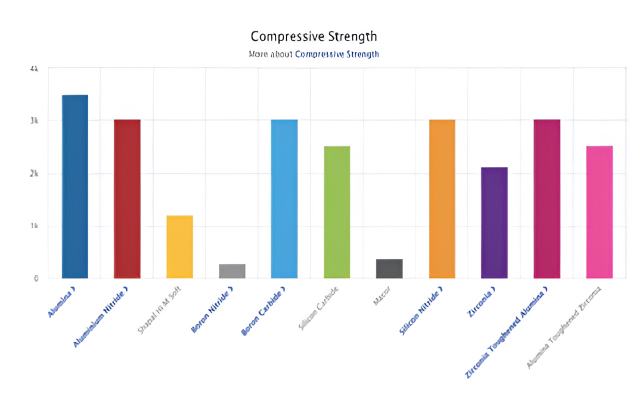
Interactive Materials Chart

Not sure which ceramic material is right for your application? Learn more about technical ceramics, check out our ceramic materials comparison chart, or contact us and we’ll be more than happy to help out.

Services

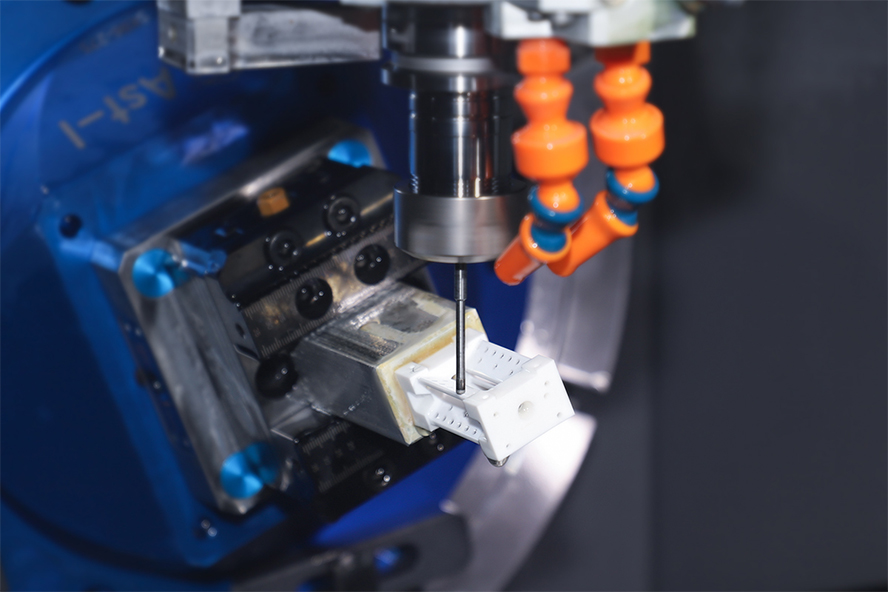
Machinable ceramics like Macor and Shapal are ideal for precision parts. We support machining of complex geometries and tight-tolerance components.

  • Flexible, customizable components
  • Curved irregular,shape
  • Polishing and coating

FAQS

What tolerances can be achieved when machining machinable ceramics?
Typical tolerances depend on geometry and material, but for materials like Macor and Shapal, tolerances of ±0.001 mm can be achieved on critical features with proper machining processes. Tighter tolerances may be possible for simple geometries.
Do machinable ceramics require sintering after machining?
No. One of the key advantages of machinable ceramics is that they can be machined to final dimensions without post-sintering, which simplifies production and reduces lead time.
What types of features can be machined?
Machinable ceramics can support a wide range of features, including threads, small holes, slots, and thin walls. However, design considerations such as edge sharpness and minimum wall thickness are still important to avoid chipping.
How do I choose between Macor and Shapal?
Macor is typically preferred for applications requiring excellent electrical insulation and easy machining, while Shapal offers higher thermal conductivity, making it more suitable for heat management applications. The choice depends on whether electrical or thermal performance is more critical.
Are machinable ceramics suitable for vacuum or clean environments?
Yes. Materials like Macor are commonly used in vacuum systems and clean environments due to their low outgassing and stable performance. Proper cleaning and handling after machining are still required.

Macor is a machinable glass-ceramic made from fluorophlogopite mica crystals embedded in a borosilicate glass matrix. This composition gives it a rare
combination of metal-like machinability, excellent electrical insulation, low thermal conductivity, and stability up to 1000°C (no load) while maintaining very tight tolerances.