Single-Crystal-Sapphire
Ultra-High HardnessHigh Light Transmittance

Single Crystal Sapphire

The chemical composition of single crystal sapphire is α-alumina, which is transparent, colorless, high hardness, small thermal expansion, acid and alkali corrosion resistance, and not easily corroded by chemical substances.
Machining Capability

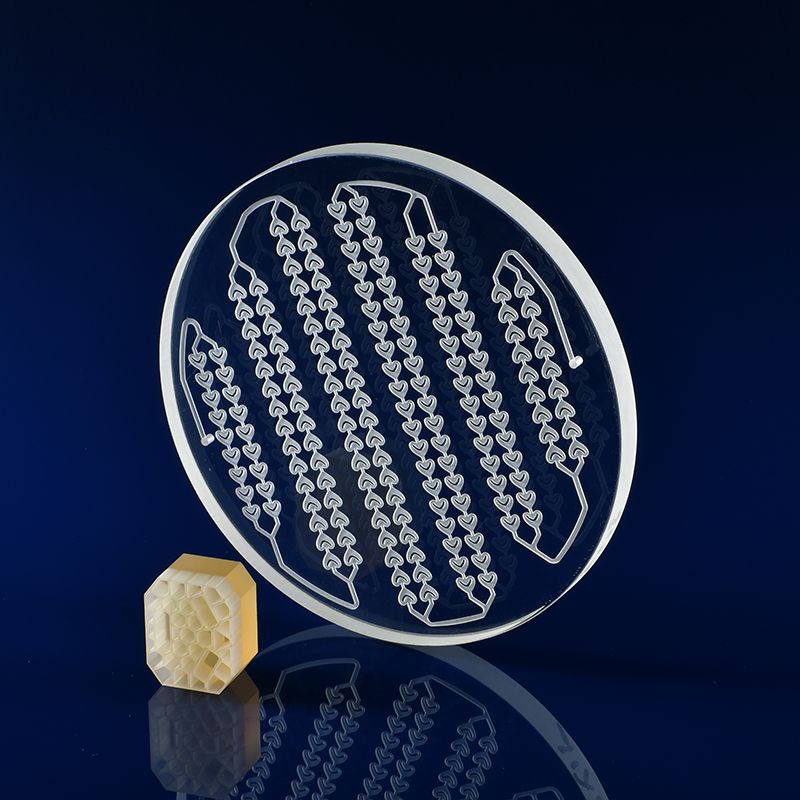
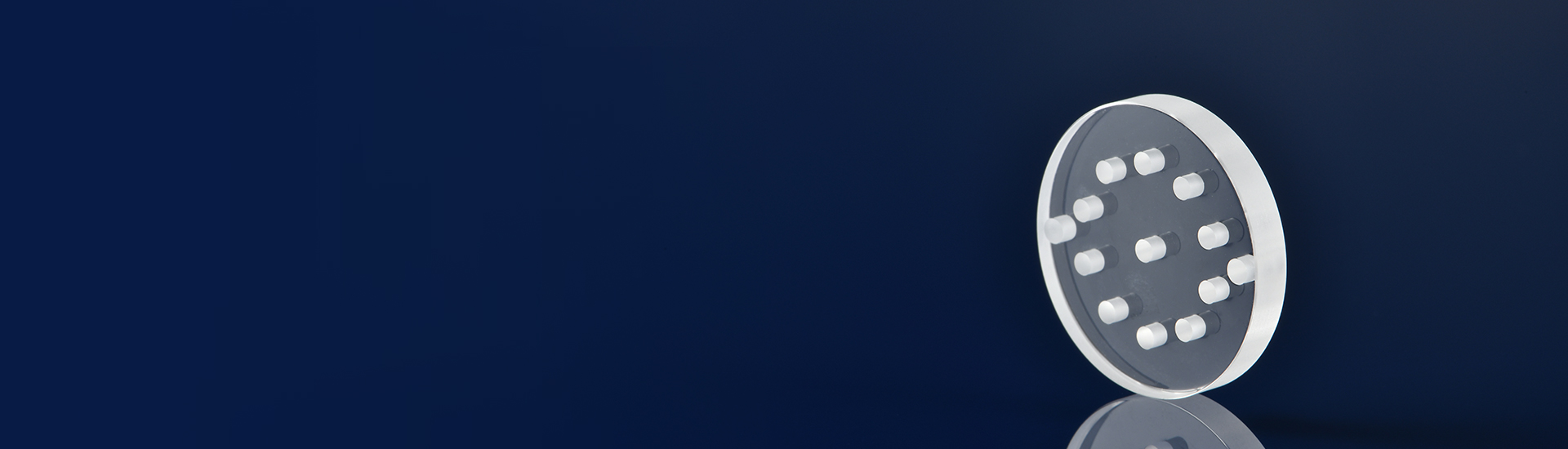
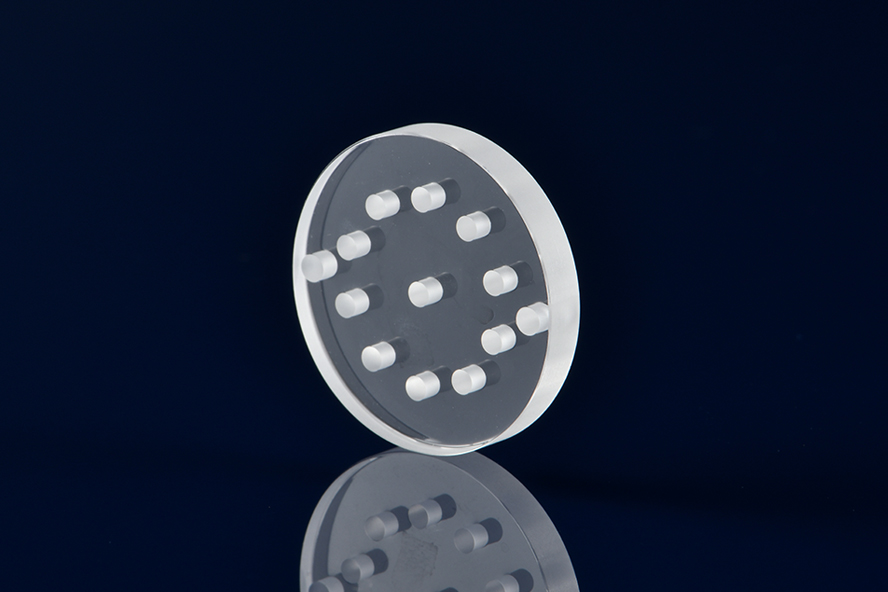
Jundro Ceramics is a professional ultra-hard materials machining manufacturer and factory, which can achieve high-precision machining of Single Crystal Sapphire, support special-shaped, curved, lightweight, micro-pores (φ0.1mm) to achieve ultra-high finish of Ra0.002um

Single-Crystal-Sapphire-Glass
Tolerance ±1um
Flatness 1 µm (Φ300)
Roughness Ra0.002μm
Micropores 0.1mm
Internal Thread M1.2
Max. Size Φ400mm

Advantages

  • High hardness and wear resistance
  • High light transmittance
  • Biocompatible
  • High resistance to most acids, bases and solvents
  • Low thermal expansion coefficient (8×10⁻⁶/K)
  • High electrical insulation

Properties

View the performance table for our Single Crystal Sapphire glass. This value is for reference only and may vary slightly depending on the batch conditions.

Mechanical Properties Unit Sapphire
Density g/cm³ 3.98
Vickers hardness HV 2000
Bending strength MPa 400
Compressive strength MPa 2000
Elastic modulus GPa 370
Toughness MPa·m1/2 3.5
Poisson's ratio 0.23
Young's Modulus GPa 370
Thermal Properties Unit Sapphire
Thermal conductivity W/mK 46
Melting point °C 2050
Maximum operating temperature °C 2000
Linear expansion coefficient 10⁻⁶/K 8
Electrical Properties Unit / Condition Sapphire
Dielectric constant 1 MHz 9.3
Breakdown voltage V/cm 30
Dielectric loss 1 MHz ≤ 10-4
Resistivity Ω·cm ≥ 1016

Interested in Our Single Crystal Sapphire Solutions?

Single Crystal Sapphire Application

Applications

  • Lenses, windows, prisms, laser cavity windows
  • Watch mirrors, mobile phone protective covers
  • Semiconductor substrates and bases
  • Precision mechanical components
  • Ultra-high vacuum components
  • Light guide display windows
  • Medical endoscope windows, ultrasound probe protection windows
  • Fluid Control Water Valve Disc

FAQS

What are the main advantages of sapphire over standard glass?
Sapphire offers extremely high hardness (second only to diamond), excellent scratch resistance, high thermal conductivity, and superior chemical stability. It also maintains optical transparency across a wide wavelength range from UV to infrared.
What is the optical transmission range of sapphire?
Sapphire offers excellent optical transmission from approximately 150 nm in the ultraviolet range up to about 5.5 µm in the infrared range, making it suitable for a wide range of optical applications.
Is sapphire better than fused silica or quartz glass?
It depends on the application. Sapphire is much harder and more wear-resistant than fused silica, making it ideal for harsh environments. However, fused silica offers better thermal shock resistance and is often more cost-effective for standard optical applications.
Is sapphire suitable for high-temperature environments?
Yes, sapphire has excellent high-temperature resistance and can operate in extreme environments while maintaining structural and optical stability.
Do you offer custom sapphire machining services?
Yes, we provide custom machining of single crystal sapphire components, including complex geometries, tight tolerances, and high-precision optical finishes for semiconductor, optical, and industrial applications.

Macor is a machinable glass-ceramic made from fluorophlogopite mica crystals embedded in a borosilicate glass matrix. This composition gives it a rare
combination of metal-like machinability, excellent electrical insulation, low thermal conductivity, and stability up to 1000°C (no load) while maintaining very tight tolerances.