Aluminum nitride ceramics(AlN)
High thermal conductivityElectrical insulation

Aluminum nitride ceramics

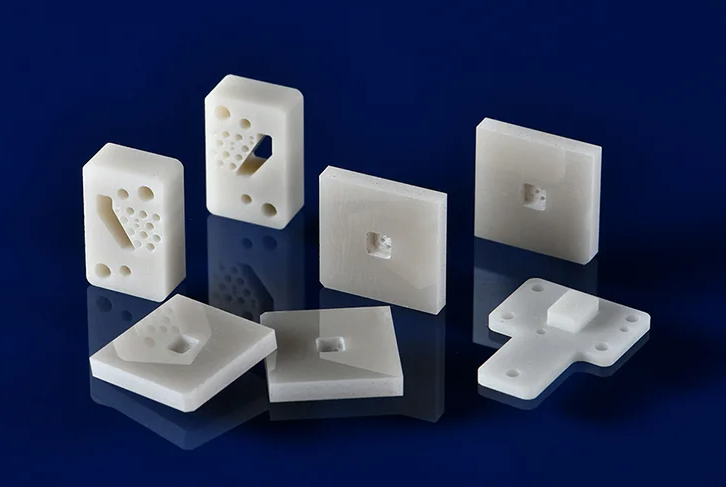
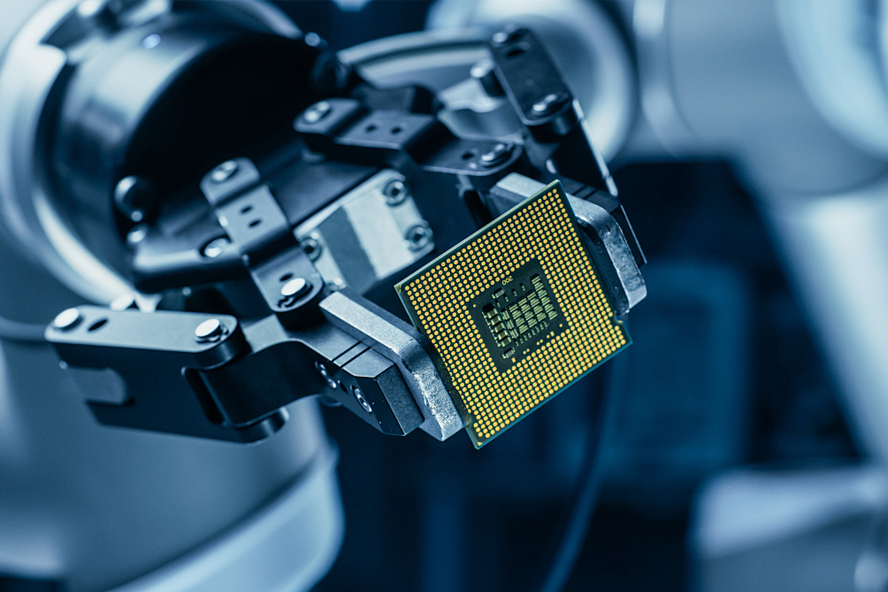
In high-power electronics and semiconductor projects, use aluminum nitride (AlN) ceramics with thermal conductivity up to 170–230 W/m·K to efficiently handle both heat dissipation and electrical insulation. Compared with beryllium oxide (BeO), AlN poses no health risks during processing or use, making it a safer choice for semiconductor equipment.

Machining Capability

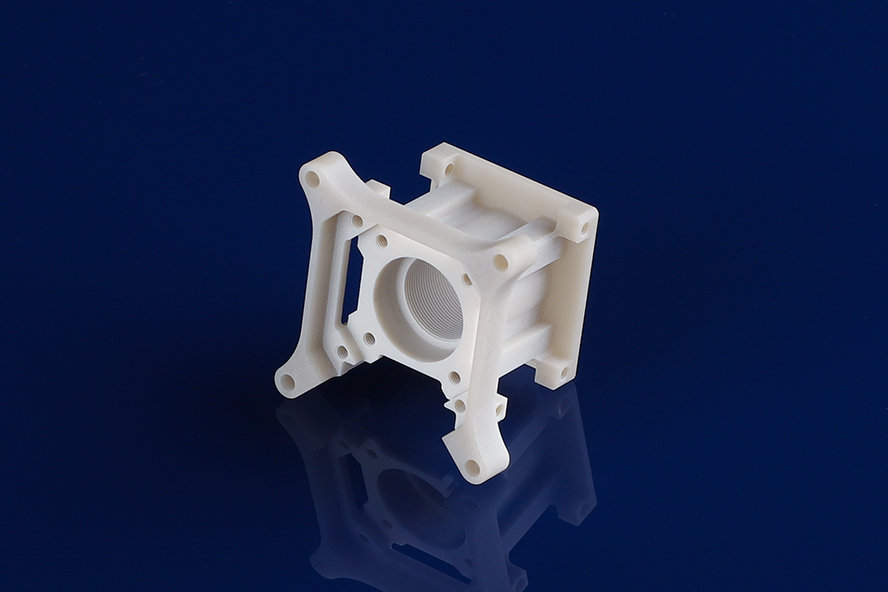
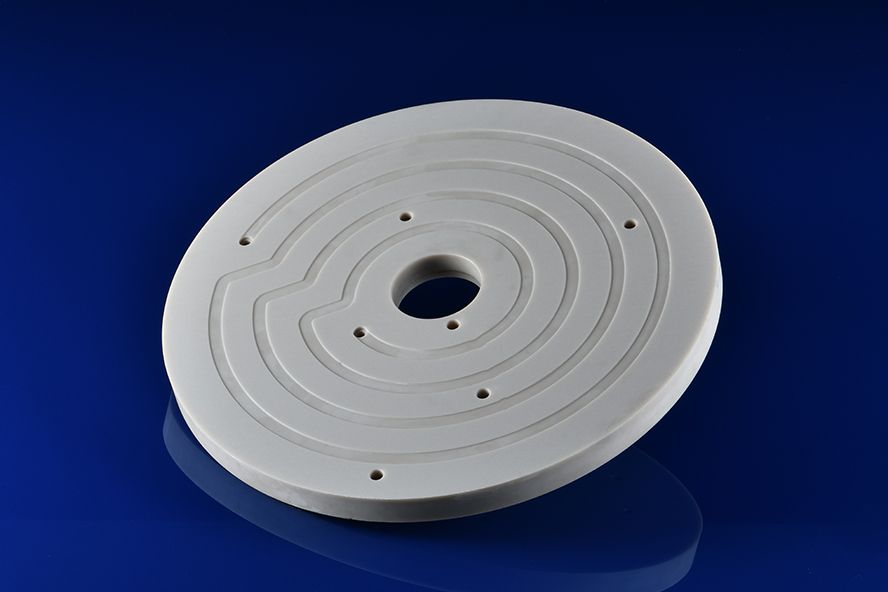
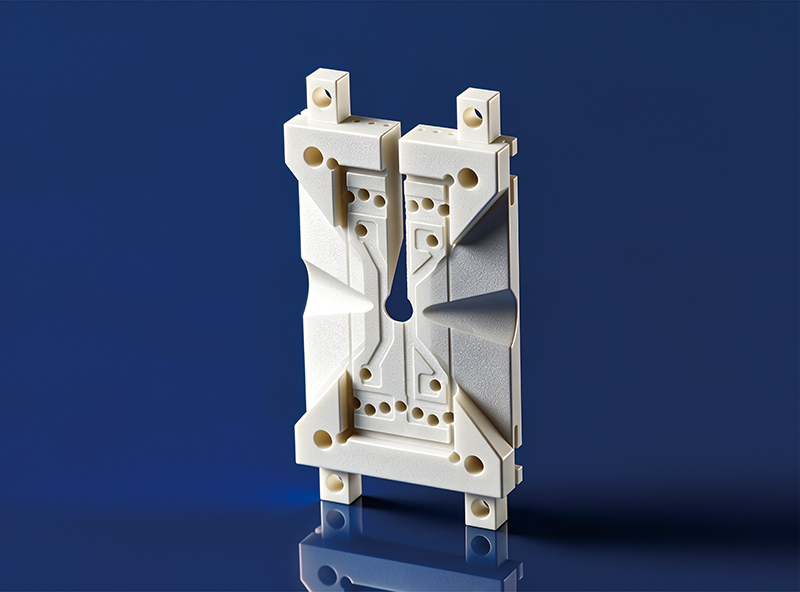
Unlike machinable ceramics, aluminum nitride requires specialized sintered diamond tooling for machining. With years of project experience, we are capable of handling complex geometries and achieving extremely tight tolerances, while effectively minimizing common issues such as edge chipping and surface whitening. This allows us to provide reliable technical support for your project.

Aluminum-nitride-ceramics
Tolerance ±1um
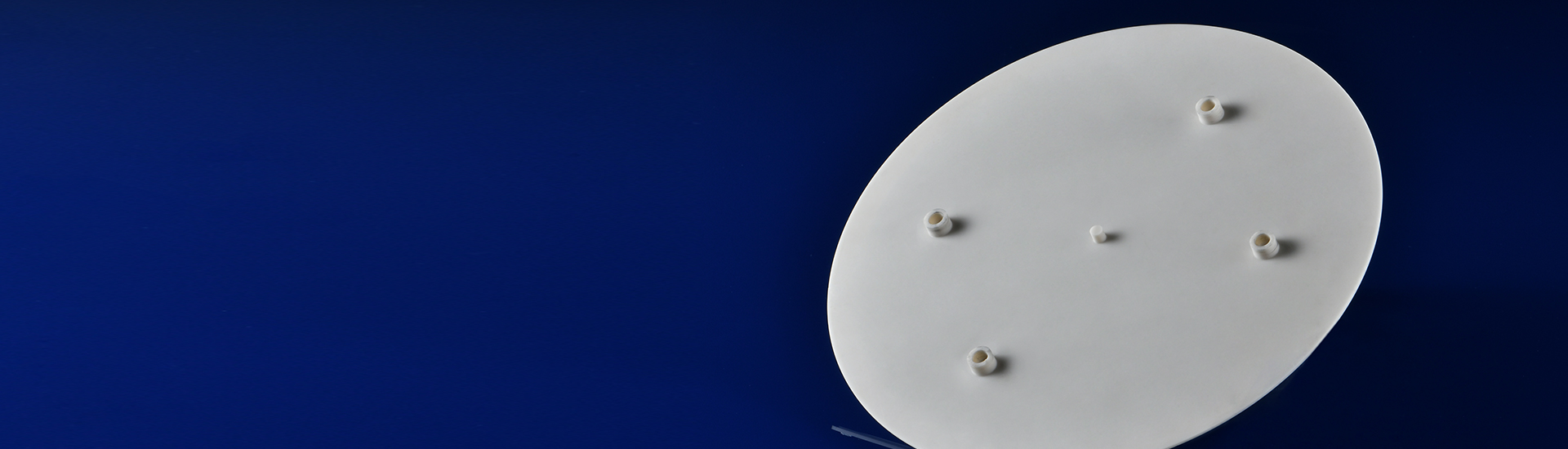
Flatness 1um(Φ300)
Roughness Ra0.01μm
Micropores 0.1mm
Internal Thread M1.2
Max. Size Φ420mm

Advantages

  • Thermal conductivity 179.2 W/m·K
  • No toxicity issues associated with beryllium oxide
  • Coefficient of thermal expansion matching silicon
  • Excellent resistance to plasma and thermal shock.
  • Good chemical resistance
  • Maximum operating temperature 1350°C.

Properties

The following is a table of performance parameters for our standard AlN materials. The data is based on internal testing and batch statistics and is for design reference only. Actual values may vary slightly due to sintering conditions and batch differences.

Mechanical properties Unit AlN
Density g/cm³ 3.34
Vickers hardness HV 1100
Bending strength MPa 400
Compressive strength MPa 2500
Toughness MPa·m¹/² 3.5
Elastic modulus GPa 310
Poisson's ratio 0.22
Young's modulus GPa 330
Thermal performance Unit AlN
Thermal conductivity W/(m·K) 179.2
Maximum service temperature °C (carrying idler) 1350
Specific heat J/(kg·K) 720
Thermal Shock °C (Put into water) 350
CTE(30°C~300°C, ppm/°C) 1 × 10⁻⁶/°C 4.06
CTE(30°C~500°C, ppm/°C) 1 × 10⁻⁶/°C 4.85
Electrical characteristics Unit AlN
Dielectric constant 1MHz 7.4
Dielectric loss 1MHz 1.6 × 10¹⁴
Breakdown voltage kV/mm 18
Dielectric strength kV/mm ≥20
Volume resistivity @ 25 ° C Ω · cm 2.1 × 10¹⁶

Interested in Our AlN Ceramic Solutions?

Aluminum nitride ceramic applications

Applications

  • Heat dissipation substrate
  • Laser diodes
  • Heating plate
  • Wafer tray
  • Electronic component coil holder
  • MEMS sensor
  • Water-cooled heat sink
  • Semiconductor packaging substrate

Cases

Technical Ceramic Machining: High-precision grinding lathe

FAQS

Can aluminum nitride ceramics replace beryllium oxide ceramics?

Yes, Aluminum Nitride (AlN) can replace Beryllium Oxide (BeO) in many applications, but not in all cases.

BeO generally provides higher thermal conductivity (up to ~330 W/m·K), so it may still be preferred in applications requiring the maximum possible heat dissipation.

In practice, AlN is widely used today as a safer and more practical alternative to BeO in many electronic and semiconductor applications.

Do You Support Aluminum Nitride Ceramic Prototyping or Small-Batch Production?

Yes. We support prototype development and small-to-medium batch machining for Aluminum Nitride (AlN) components.

Our manufacturing process is designed to handle custom parts based on technical drawings, making it suitable for early-stage product development, design validation, and low-volume production. Customers can start with prototype quantities to test performance before moving to larger production runs.

Typical capabilities include precision machining of complex geometries, tight tolerances, and customized dimensions for applications in electronics, semiconductor equipment, and thermal management systems.

Is Aluminum Nitride Ceramic Easy to Machine?

No, machining Aluminum Nitride (AlN) is generally difficult due to its high hardness and brittle nature.

Processes such as slotting, drilling, and machining complex geometries require specialized tooling and optimized machining parameters. Inexperienced machining can easily lead to defects such as edge chipping, surface whitening, or micro-cracks, which may affect both appearance and performance.

In addition, when AlN is ground on a grinding machine, the material may release a noticeable odor during the grinding process. This is a common challenge in AlN processing and usually requires proper ventilation and process control. In contrast, CNC machining processes typically do not produce this odor.

How to Choose Between Aluminum Nitride and Alumina Ceramics?

When selecting between Aluminum Nitride and Aluminum Oxide ceramics, the decision mainly depends on thermal performance requirements and cost considerations.

For applications requiring high thermal conductivity and efficient heat dissipation, aluminum nitride is generally the best choice due to its excellent heat transfer capability.

When cost and mechanical strength are the primary considerations, alumina ceramics are often preferred because they are more economical and typically offer higher mechanical strength.

What Is the Minimum Wall Thickness, Hole Size, and Slot Width You Can Achieve for Aluminum Nitride Ceramics?

For precision machining of Aluminum Nitride (AlN), our manufacturing capabilities allow us to achieve very fine structural features under optimized machining conditions:

  • Minimum wall thickness: 0.1 mm
  • Minimum hole diameter: 0.1 mm
  • Minimum slot width: 0.2 mm

The exact limits may vary depending on the part geometry, dimensions, and tolerance requirements. For extremely thin or complex structures, design optimization may be recommended to ensure machining stability and reduce the risk of chipping or breakage.

Macor is a machinable glass-ceramic made from fluorophlogopite mica crystals embedded in a borosilicate glass matrix. This composition gives it a rare
combination of metal-like machinability, excellent electrical insulation, low thermal conductivity, and stability up to 1000°C (no load) while maintaining very tight tolerances.