Cost-effectiveWear resistance

Alumina Ceramics

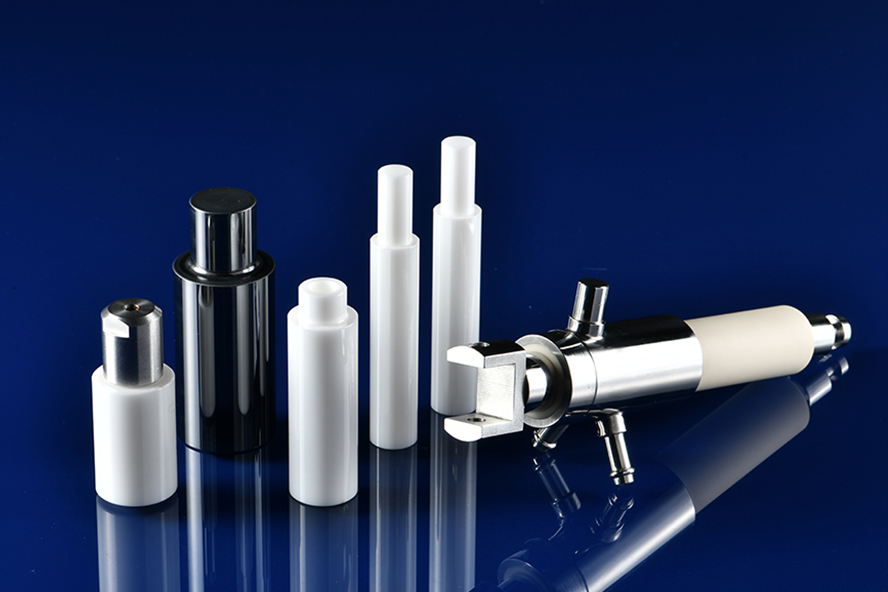
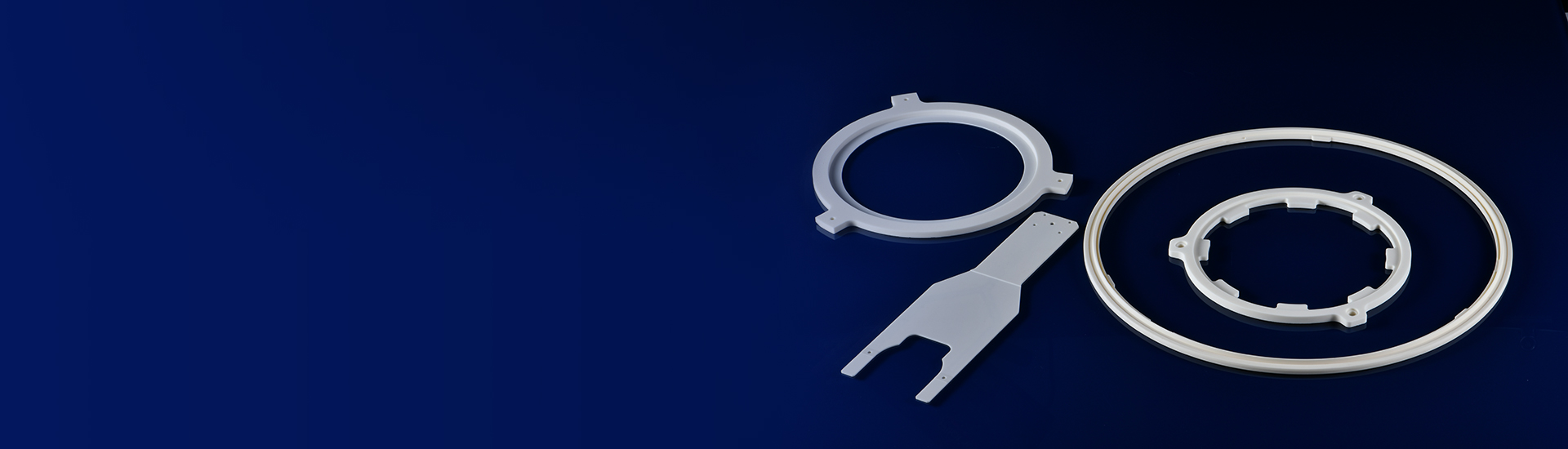
As a widely used industrial ceramic, its purity ranges from 90% to over 99.8%. It is a highly durable material. The higher the purity, the better the performance. It has high hardness, wear resistance and chemical resistance. It is suitable for semiconductors, medical, automation and other fields.
Machining Capability

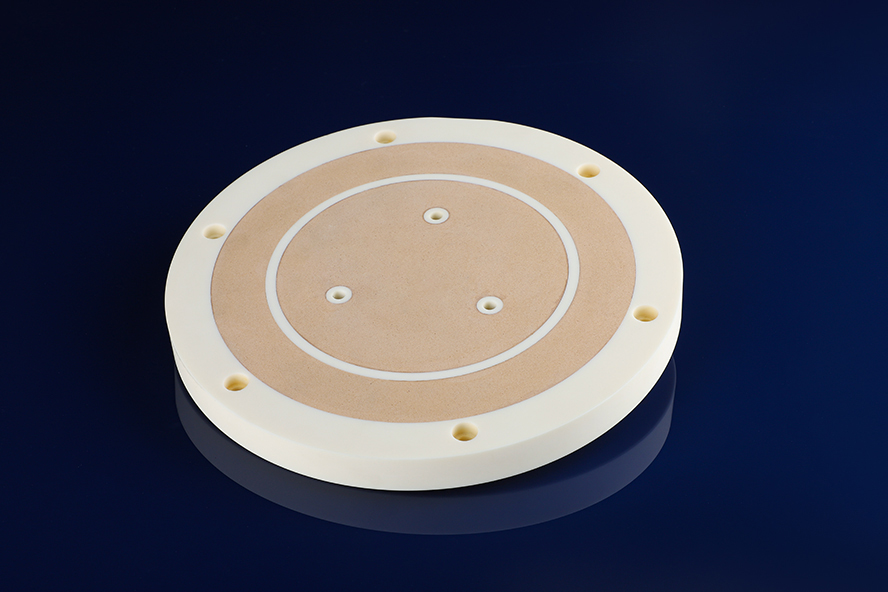
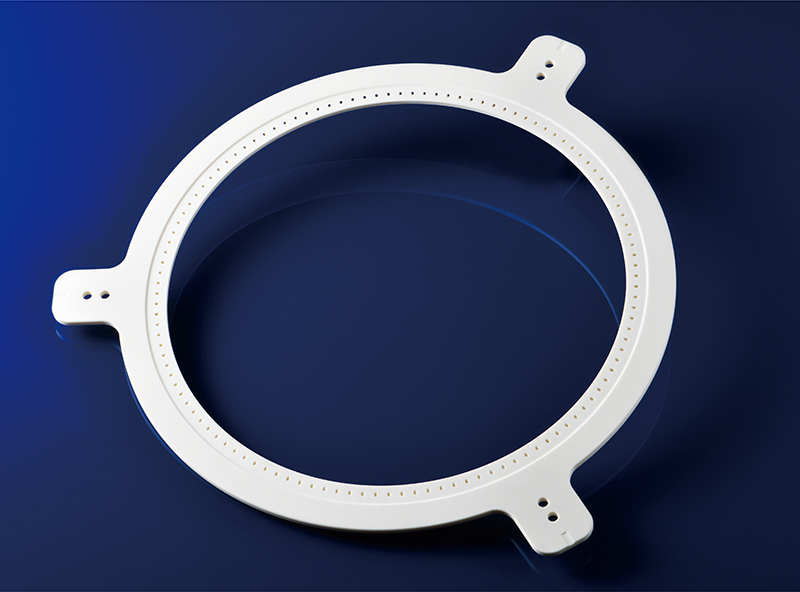
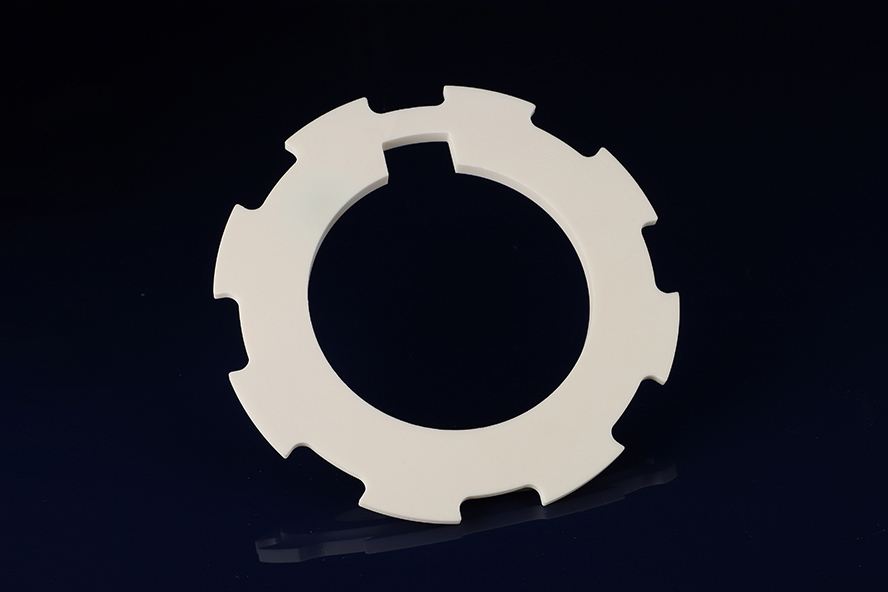
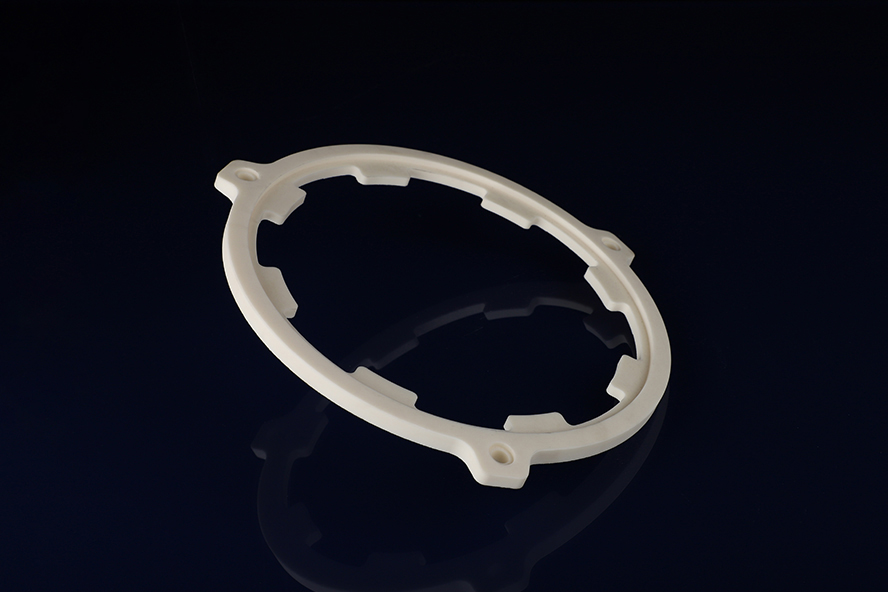
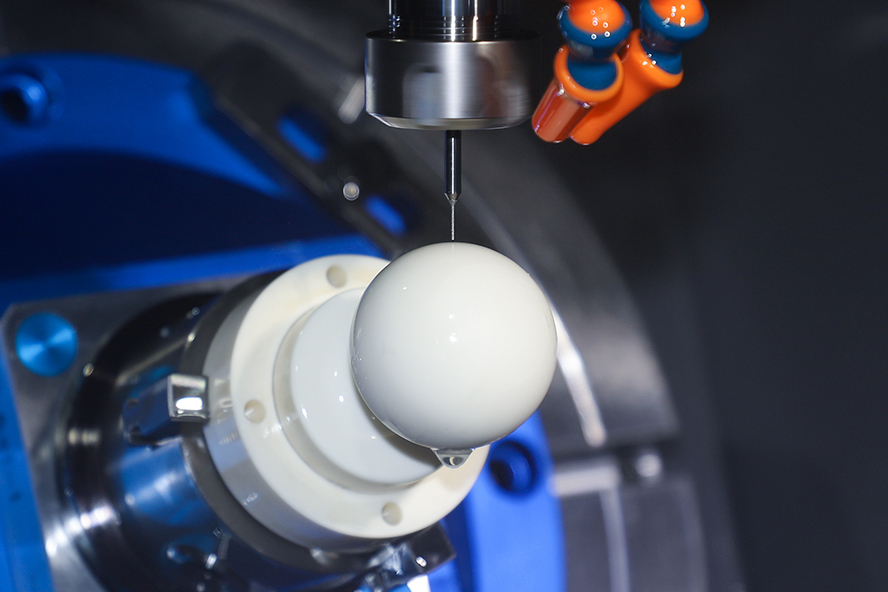
Alumina ceramics are available in purities from 90% to 99.9%, with Jundro Ceramics specializing in high-performance 99.8% alumina. Forming methods include injection molding, die pressing, isostatic pressing, slip casting, and extrusion, with metallization and brazing for joining. We specialize in precision machining of complex alumina parts using advanced 4- and 5-axis equipment to meet strict technical specifications.

Alumina Ceramic Machining
Tolerance ±1um
Flatness 1 µm (Φ300)
Roughness Ra0.03μm
Micropores 0.1mm
Parallelism 1 µm
Max. Size Φ500mm

Advantages

  • Capable of withstanding large mechanical loads
  • Excellent biocompatibility
  • Strong electrical insulation properties
  • High chemical corrosion resistance
  • Superior high-temperature stability and thermal shock resistance
  • Mohs hardness up to 9, with high hardness and mechanical strength
  • Low thermal expansion coefficient and specific thermal conductivity rates

Properties

The table below lists the performance parameters of 99.8% alumina materials. The data is based on internal testing and batch statistics and is for reference only. Actual values ​​may vary due to sintering conditions and batch differences.

Property Unit Alumina
Density g/cm³ 3.93
Vickers Hardness GPa 18
Flexural Strength MPa 416
Compressive Strength MPa 2556
Water Absorption Rate % 0
Alumina Content % 99.8
Young’s Modulus GPa 358
Property Unit Alumina
Thermal Conductivity W/mK 30.8
Thermal Shock Resistance J/m²·K 2700
Maximum Operating Temperature °C 1765
Property Unit Alumina
Permittivity (1 MHz) 9.28
Electric Strength kV/mm 14.7
Volume Resistivity Ω·cm 2.7 × 10¹⁴

Interested in Our Alumina Ceramic Solutions?

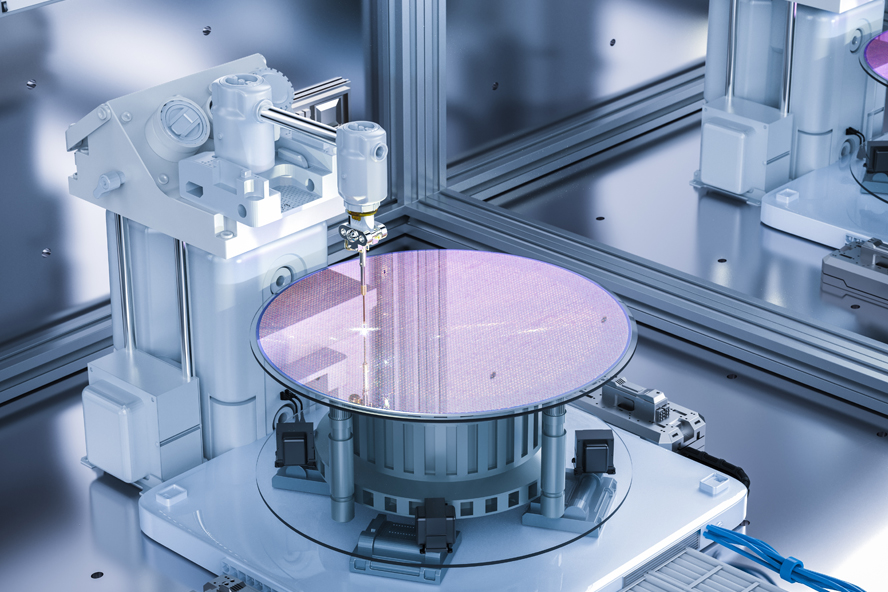
Alumina ceramic applications

Applications

  • Equipment lining
  • Valve seals, chemical pumps
  • High-temperature support structures
  • Laser optical components
  • Sealing rings in mechanical equipment
  • Etching ring
  • Focusing ring
  • End effector
  • Porous ceramic chuck

Cases

Machining complex alumina ceramic parts using five-axis equipment

FAQS

What purity levels of alumina ceramic machining services do you offer?
We currently support precision machining of alumina (Al₂O₃) ceramics with purity levels of 99%, 99.2%, 99.5%, 99.7%, and 99.8%. Our capabilities include complex geometries and tight tolerance requirements.
What is the difference between low-purity and high-purity alumina?
The difference mainly lies in color, performance, and cost. High-purity alumina ceramics typically appear ivory or light beige, while lower-purity grades such as 95% are usually white. In terms of performance, high-purity alumina provides better mechanical strength, higher thermal conductivity, superior electrical insulation, and improved corrosion resistance. However, these advantages also make it more expensive. The final selection should be based on your specific application requirements and budget.

Can alumina ceramic parts be metallized?

Yes, alumina ceramic parts can be metallized to achieve reliable bonding with metals. In addition to metallization, we also offer surface coating, brazing, anti-static treatment, and conductive coating services to meet various application requirements.

Is there a minimum order quantity (MOQ) for alumina machining?
No, we do not have a standard minimum order quantity. We support both prototyping and small-to-medium batch production, providing flexible solutions to meet different project needs.
What is the minimum feature size you can achieve in alumina ceramic machining?
Currently, our alumina ceramic machining capabilities include a minimum wall thickness of 0.1 mm, a minimum hole diameter of 0.1 mm, a minimum slot width of 0.2 mm, and a minimum internal thread size of M1.6.

Macor is a machinable glass-ceramic made from fluorophlogopite mica crystals embedded in a borosilicate glass matrix. This composition gives it a rare
combination of metal-like machinability, excellent electrical insulation, low thermal conductivity, and stability up to 1000°C (no load) while maintaining very tight tolerances.