
NachrichtenQualität & Prozess
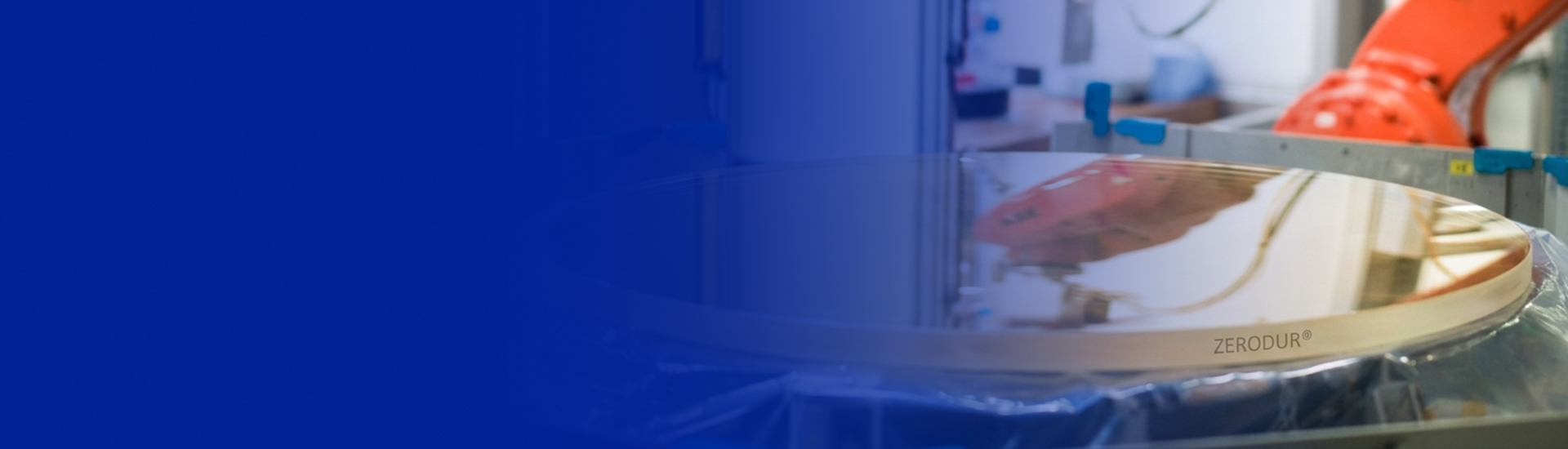
Wenn über Gläser mit geringer thermischer Ausdehnung gesprochen wird, fallen einem sofort Schotts Zerodur und Cornings ULE-Glas ein, beide bekannt für ihren nahezu null thermischen Ausdehnungskoeffizienten. Welches sollten Sie also für Ihre Anwendung wählen: Zerodur oder ULE? Durch unseren mehrdimensionalen Vergleich hoffen wir, Ihnen eine klarere Wahl des geeigneten Materialien zu ermöglichen.
Entwickelt von der Schott AG in Deutschland, sind Glaskeramiken mit geringer thermischer Ausdehnung in sechs verschiedenen thermischen Ausdehnungsklassen erhältlich. (Sie können auf den Link klicken, um die detaillierte Einführung von Zerodur zu sehen) Sie bieten einen niedrigen CTE und besitzen gleichzeitig eine mechanische Festigkeit, die bei gewöhnlichem Glas nicht zu finden ist, was eine hochpräzise Bearbeitung ermöglicht.
ULE-Glas, entwickelt von Corning, hat einen stabilen thermischen Ausdehnungskoeffizienten. Es kann bei Temperaturen bis zu 800°C betrieben werden, zeigt eine ausgezeichnete Temperaturanpassungsfähigkeit und verhindert Verformungen durch thermische Ausdehnung und Kontraktion. (Klicken Sie, um ULE-Details anzuzeigen)
Zerodur zeigt einen nahezu null thermischen Ausdehnungskoeffizienten (CTE) in einem bestimmten Temperaturbereich, was es ideal für Anwendungen macht, die extrem hohe Dimensionsstabilität erfordern.
Im Gegensatz dazu bietet ULE einen gleichmäßigeren und stabileren CTE über einen breiteren Temperaturbereich, was in Umgebungen mit Temperaturschwankungen vorteilhaft ist.
In Halbleiterlithographiesystemen – insbesondere bei EUV-Anwendungen – wird Zerodur häufiger verwendet aufgrund seiner extrem niedrigen thermischen Ausdehnung und überlegenen Langzeitstabilität, die für die Aufrechterhaltung der optischen Präzision entscheidend sind.(Klicken Sie hier, um mehr über den Leistungsvergleich der Materialien zu erfahren.)
| Eigenschaft | Zerodur | ULE-Glas |
|---|---|---|
| Thermischer Ausdehnungskoeffizient (CTE) | 0 ± 0,02×10⁻⁶/K (Klasse 0) | 0,00 ± 0,03×10⁻⁶/°C |
| Maximale Betriebstemperatur | 600°C | 800°C |
| Wärmeleitfähigkeit | 1,46 W/(m·K) | 1,31 W/(m·K) |
Hinsichtlich der Materialdichte ist ULE etwa 13 % leichter als Zerodur, was es besser für gewichtsempfindliche Anwendungen wie Weltraumnutzlasten geeignet macht.
Bezüglich der mechanischen Eigenschaften weist Zerodur eine höhere Biegefestigkeit auf und bietet eine bessere Toleranz bei Präzisionsbearbeitungsprozessen.
Was die optische Homogenität betrifft, bieten beide Materialien eine hervorragende Leistung; jedoch bietet ULE im Allgemeinen eine überlegene Gleichmäßigkeit des Brechungsindex, was es besser für Anwendungen geeignet macht, die sehr empfindlich auf Wellenfrontverzerrungen reagieren, wie z. B. Laserinterferometer.
| Parameter | Zerodur | ULE-Glas |
|---|---|---|
| Dichte | 2,53 g/cm³ | 2,21 g/cm³ |
| Optische Gleichmäßigkeit | 600°C | ±1 × 10⁻⁶ |
| Biegefestigkeit | ~40 MPa | ~30 MPa |
| Zerodur | ULE |
|---|---|
| Laserkreiselspiegel | Astronomischer optischer Spiegel |
| Optische Komponenten für Spektrometer | Strahlungsspiegel für Lithografiemaschinen |
| Wafer-Stepper-Komponenten | Laserinterferometer-Resonator |
| Mechanische Laserresonatorteile | Komponenten für Laser-Entfernungsmesser |
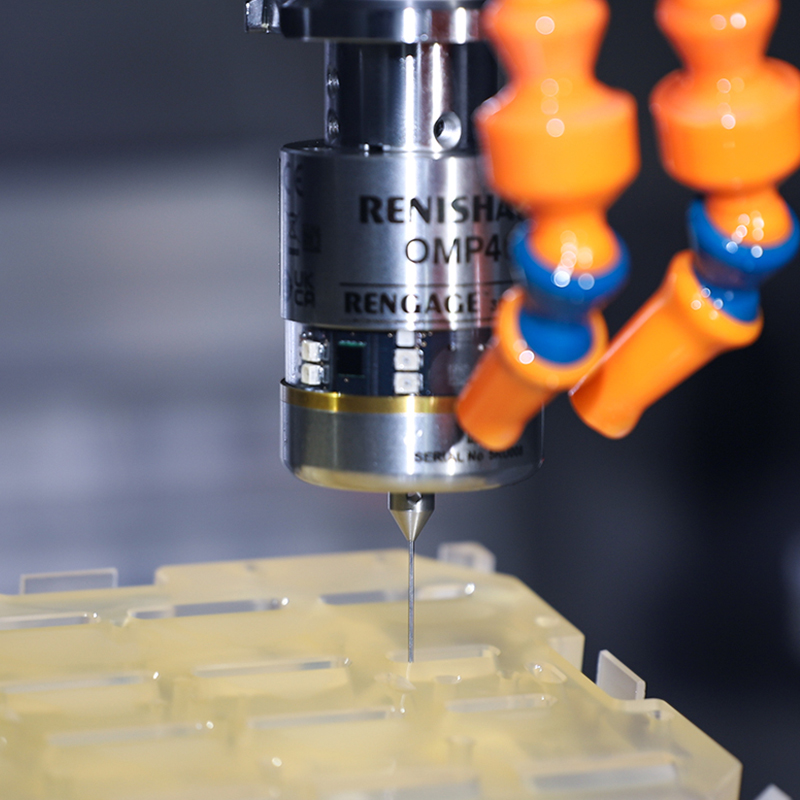
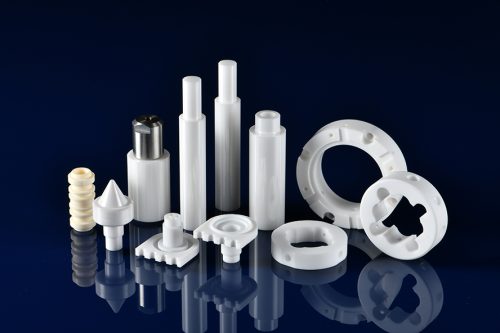
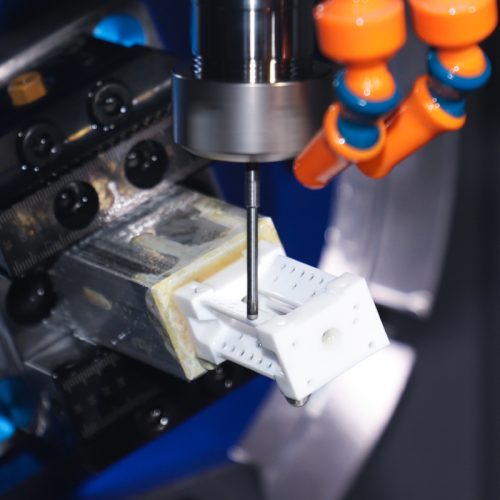
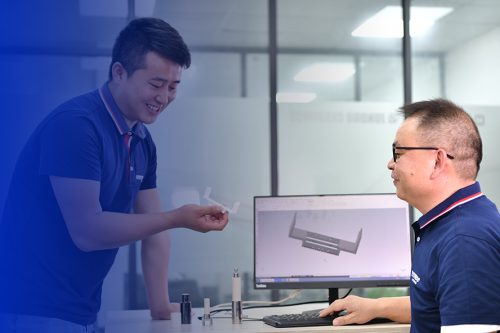
Wir verfügen über umfangreiche Kenntnisse und Erfahrung in der Bearbeitung von optischen Glasmaterialien und bieten kundenspezifische Bearbeitung verschiedener hochpräziser optischer Glasmaterialien an, einschließlich Sonderformen, runder und gekrümmter Oberflächen, und verfügen über Fünf-Achs-Präzisionsbearbeitungsfähigkeiten.
Wenn Sie optische Glasmaterialien für Ihr Projekt auswählen, kontaktieren Sie bitte unsere Experten. Wir werden Ihr Projekt stark unterstützen.

Chinese (Simplified)
Englisch
Deutsch
Japanisch

Spanisch
Floors 1-2, Building 3, Qianyuan Industrial Park, No. 2 Gaoxin 2nd Road, Dalang Town, Dongguan, Guangdong, China(523770)